8 reasons why succulents drop their leaves, pay close attention to the first 5
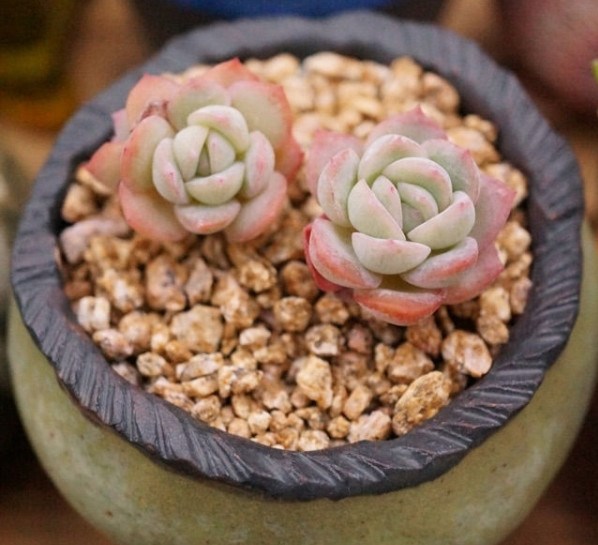
The day before yesterday, a gardening friend asked Xiao Jingzhi Life why their succulent was dropping leaves, so Xiao Jingzhi Life put together several factors behind succulents dropping leaves, and today let's study them together.
1. Lack of light and etiolation
Sufficient light is one of the key factors for succulent growth. If a succulent lacks light, it becomes thin and tender, and at this point the leaves may drop at the slightest touch. This is etiolation caused by a lack of light. Etiolation is irreversible; after sufficient light is restored, the newly grown leaves will gradually become compact, and you just need to wait for the etiolated leaves to be gradually used up and drop off.
2. Overwatering
Frequent watering is a mistake beginners often make when caring for succulents. Because succulents mostly come from relatively arid native environments, they have evolved a habit of disliking water. If you overwater and drainage is poor, succulents may drop leaves in mild cases, or turn to mush and die in severe cases.
3. Sunburn or frostbite
Not shading succulents in time during the scorching summer, causing sunburn, or not taking timely warming measures for succulents in winter, causing frostbite, can both make succulents drop leaves. So sun protection and cold protection must be done in time.
4. Succulent diseases
Diseases such as black rot, black spot, and stem rot can all possibly cause succulents to drop leaves. Pay attention to whether the stems and leaves show anything abnormal, such as a shriveled stem or black spots at the fallen growth point. If this happens, behead the plant immediately, cutting all the way down to a part with normal color, then apply fungicide to the wound and place it in a ventilated, cool environment to recover.
5. Sudden environmental changes
A sudden turn from extreme heat to cold, too much humidity, excessive spraying, or too high a concentration can all cause succulents to drop leaves through sudden environmental changes, so be sure to pay attention.
6. Normal metabolism
New leaves grow at the top while old leaves at the bottom gradually dry up and drop off. This is the normal metabolic function of succulents, indicating the plant is growing normally. There is no need to worry; just care for it as usual.
7. It was simply just watered
During the period of controlling a succulent's shape, you often wait until two or three rings of leaves at the bottom have wrinkled and softened before giving one thorough watering. At this time, the thoroughly watered succulent becomes especially plump and full, but be careful, because the leaves are so full and taut that they can easily be knocked off by accident.
8. It is simply a variety that likes to drop leaves
Some succulent varieties, such as Sedum pachyphyllum 'Jelly Beans' (Yinü Xin), naturally like to drop leaves, so there is no need to be too surprised or worried.
In short, if you notice a succulent dropping leaves, be sure to observe carefully whether the plant itself shows any abnormal signs, and think back to what you did before, so you can find the cause and solve it in time.
The above was compiled and published by Xiao Jingzhi Life, and I hope it is helpful to you.