Plants always getting sick? Teach you 5 looks and 1 touch to easily identify root rot
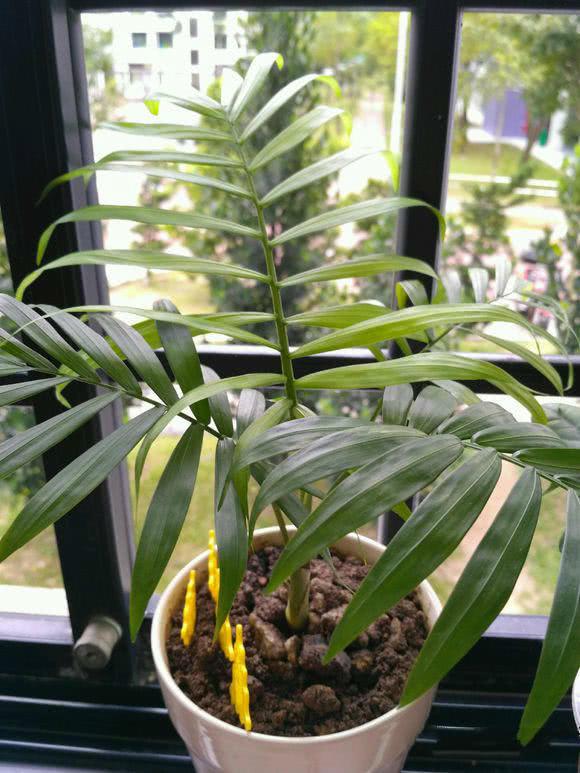
For people who love flowers and plants and care for them, summer is not only a hurdle for flowers and plants, but also a torment for themselves. It is fine if the beloved flowers and plants are usually free of illness and disaster, but if they really get sick, it breaks the hearts of us flower-loving gardening friends! Summer temperatures are high and the weather is hot, and many gardening friends will water their flowers more than usual, so the plants may develop problems~
Root rot is one of the most common problems for plants in summer. Today, Huahua will teach everyone how to judge whether a plant has a root rot problem.
Look at the potting soil
Potting soil is the most intuitive place to reflect whether a plant has a root rot problem! In summer and autumn, if it is relatively sunny every day, then according to the plant's habits, watering thoroughly once a day is enough. On the second day, observe the plant's potting soil at the same time. If the soil has already dried and shows a slight whitening, it means the plant's roots are healthy, so there is no need to worry~ If the potting soil is still in a moist or wet state, it means the plant's roots have already developed root rot. If this phenomenon appears for two or three days, it means most of the plant's roots have already rotted!
Look at leaf color
The leaves of a plant can also reflect the plant's condition. Just like us people, if there is a problem with the leaf color, it is equivalent to looking pale when we are sick! So how can we tell whether a plant has root rot by looking at the leaves? First, put the plant together with healthy plants of the same kind for comparison. If one of the plants has stems and leaves that have lost their luster and appear grayish-white, or the plant's leaves are wilted, or a large number of leaves have fallen off from the lower part of the plant, then gardening friends should pay attention: it means the plant has already developed root rot.
Look at leaf shape
Learning to observe the shape of the leaves can also let you know whether a plant has developed root rot. If the plant's leaves show longitudinal wrinkles or deformities, it means the plant has already developed root rot! This situation mainly appears in flowers with fleshy roots, such as Strelitzia reginae (bird of paradise), Clivia miniata (clivia), and so on~
Look at leaf tips
You may have noticed that after some plants have been grown for a while, the leaf tips begin to wither and turn dry yellow. Generally speaking, there are two reasons for this. One is that the plant's leaves hit an obstacle during growth, and watering when both the air temperature and soil temperature are high causes the leaf tips to fail to absorb nutrients and thus die. The other reason is that the pot is too large and the plant is too small, causing the pot to remain in a waterlogged state for a long time, which makes the plant develop root rot.
By touch
When some plants show a lifeless condition in their leaves, you can gently touch the plant's leaves to feel them. Leaves with root rot feel dry and warm to the touch, unlike the usual cool feeling. Such plants include orchids, white types, and so on.
So, has everyone learned it? If your plants have problems, quickly use these five little methods to see whether root rot has appeared! If it has, treat them immediately~