3 kinds of leaves with surprisingly good health benefits, you can grow them at home and many people don't know
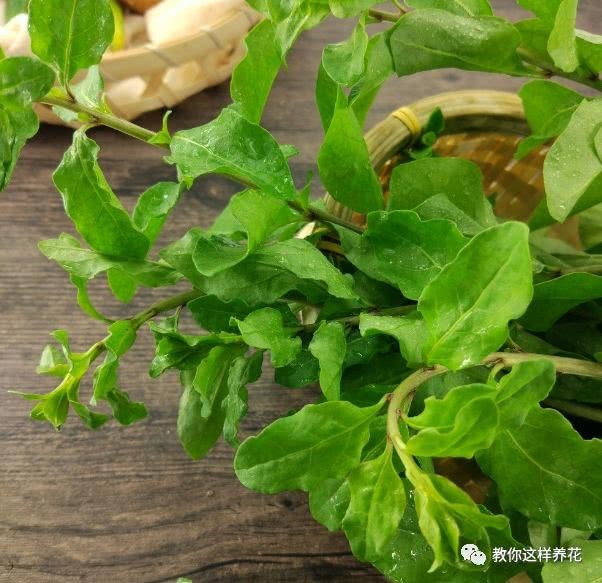
Gardeners usually grow quite a few plants, some for foliage, some for flowers, some for fruit. Many people don't know that the leaves of some plants can not only be looked at, but also eaten, and they have great health benefits too. Many people don't know! Let's take a look!
“
Health-benefiting leaves
- Goji leaves, promote body fluid and relieve dryness, nourish the liver and kidneys -
Everyone knows goji berries, but did you know the leaves can be eaten too? Goji leaves are the tender leaves of the goji plant, usually picked in spring and summer. They are rich in betaine, rutin, and various amino acids and trace elements. Eating them regularly has the effect of promoting body fluid and relieving dryness, and nourishing the liver and kidneys. There are quite a few varieties of goji. The leaves of the Ningxia goji, grown for its berries, are long and oval, while the goji grown specifically for its leaves is called big-leaf goji, and its leaves are much wider and larger.
Leaves of Ningxia goji
Leaves of leaf goji
Goji leaves can be used to make dishes and soups. The more common ones include scrambled eggs with goji leaves, pork liver soup with goji leaves, and so on.
Scrambled eggs with goji leaves is fairly simple. After picking the goji leaves, wash them clean, blanch them in boiling water for 1-2 minutes, then scoop them out and drain the water. Crack the eggs into a bowl and beat them, then mix the goji leaves into the egg mixture and stir well. Heat a pan, pour in cooking oil and heat it to 60% hot, add the mixed goji leaves, add an appropriate amount of seasoning, and when the goji egg omelette is cooked on both sides, turn off the heat.
Wash the goji leaves clean and drain the water for later use. Slice the pork liver, then soak it in water with an appropriate amount of salt and white vinegar for more than half an hour, rinse it briefly, scoop it out and drain the water, add an appropriate amount of cooking wine, starch, pepper powder, salt, and sugar, mix well and coat it for later use. Heat the pan to 60% hot, pour in the goji leaves and pork liver, and cook over high heat. When the pork liver changes color, add an appropriate amount of seasoning, and turn off the heat once fully cooked.
You can also make goji leaf tea. Chop the stems and leaves of the goji plant, screen them, and place them in a ventilated and dry place to dry naturally in the shade. After the goji leaves are steeped, the color is fresh green and the fragrance is striking. It has effects such as relieving summer heat and lowering blood pressure.
Goji likes loose, well-drained calcareous sandy loam and dislikes clay soil. It should be kept in a place with plenty of light and must not lack light. Goji is fairly drought-tolerant and afraid of moisture and waterlogging. Generally, water only when the soil is dry, and water thoroughly when you do. In summer, high temperatures cause it to go dormant, growth stops, and a large number of leaves drop. At this time, be careful to control water appropriately to prevent root rot. It can be grown in both the north and the south, is fairly cold-tolerant, and its optimum growth temperature is 15-25°C.
Propagation is very easy. In spring and autumn, cut off branches and stick them in the soil, and they will quickly take root.
- Sweet potato leaves, relieve constipation and promote urination, delay aging -
Sweet potato leaves are the tender leaves of the sweet potato. They are nutritious and can boost immunity, protect eyesight, detoxify, and resist aging, among other things, and are called the king of leafy vegetables. The beneficial components in sweet potatoes, such as vitamins, magnesium, and phosphorus, can keep blood vessels elastic, so the more you eat, the younger you get. Sweet potato leaves are very popular, especially among older friends. Eating some sweet potato leaves regularly is good for health.
Sweet potato leaves are simple to prepare, basically always stir-fried over high heat or served as a cold salad.
Stir-fried sweet potato leaves with sliced garlic: put oil in the pan, add sliced garlic and stir-fry until fragrant, add the sweet potato leaves and stir-fry quickly over high heat, add a bit of salt and it's ready to serve!
Choose relatively tender leaves, blanch them until cooked in boiling water, scoop them out and drain the water, then use seasonings such as sesame oil, soy sauce, vinegar, chili oil, mustard, and ginger juice to make a cold salad. Its appearance is tender green and it can really whet the appetite.
Growing sweet potatoes is very easy. If you grow them hydroponically, put a whole small sweet potato into water, secure it with toothpicks, and it will sprout quickly.
Normally you can apply a bit more nitrogen fertilizer and keep it in a place with plenty of light. It grows very fast. Set up a frame and cut off the tender leaves to eat!
You can also plant sweet potatoes in a flowerpot, place it in a spot with scattered light, give it an appropriate amount of sunlight, and don't let the water run out. In 2 weeks it will have grown quite large.
If you have a small patch of land, planting a few sweet potato slips will grow more than a whole family can eat.
- Madeira vine, tonify the kidneys and strengthen the waist, disperse blood stasis and reduce swelling -
Madeira vine is also called Ceylon spinach, and it grows wild in many places in the south. It is rich in vitamins A and C and has the effects of nourishing the body, strengthening the waist and knees, dispelling phlegm, and promoting blood circulation and protecting the liver. It is a green health vegetable. In quite a few places people don't know it can be eaten, and the leaves are used to feed pigs, which grow quite sturdy. Madeira vine is very easy to cultivate, grows especially fast, and is highly adaptable. It can quickly climb into a whole wall!
Madeira vine leaves are generally used for stir-frying or making soup. The simplest is stir-frying with minced garlic. Wash the leaves and drain the water for later use, heat the oil in the pan, then add chopped garlic and stir-fry over high heat, then add the leaves and stir-fry quickly over high heat for one or two minutes, and it is ready to eat.
Madeira vine leaves are thick and fleshy, and the stems are tender and smooth. They can also be used to make soup. You can add washed and torn leaves when making all kinds of soups.
Madeira vine likes warm and humid environments and is very tolerant of drought and moisture. It can adapt to ordinary soil, with well-aerated sandy loam being ideal. Its suitable growth temperature is 17-25°C. Above 35°C, growth is relatively slow, and appropriate shading is better.
In winter it can tolerate low temperatures above 0°C, but frost will damage it. However, as long as the underground tubers or bulbils are not frostbitten, new plants will grow again the next year. Generally it grows very well in places with plenty of water, and for routine watering you can let the soil dry and then water. Madeira vine has very low light requirements. Generally a shady side, such as a north-facing balcony, also allows it to grow very well.
Propagating Madeira vine is very simple. Pick the bulbils off a mature plant and bury them in the potting soil, and the survival rate is extremely high.
These 3 vegetables have strong leaf health benefits
Simple to cultivate, easy to grow
Why not grow a pot yourself and give it a try
Show it to gardeners who need it!