How to grow gardenias? Remember these 4 tips, and every pot you plant will thrive
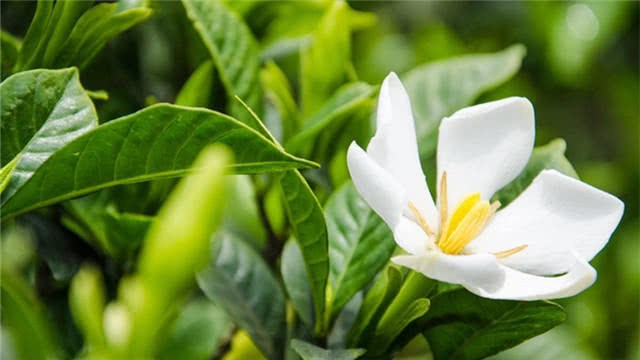
Vinegar is quite useful; add a few drops to the soil and your gardenia will grow like crazy!
Soil: Growing gardenias requires acidic, well-draining soil. Light: Make sure it gets more than six hours of indirect light every day. Temperature: It is neither cold-tolerant nor heat-tolerant; the most suitable temperature is 15°C to 25°C. Watering: It likes moisture and needs to be watered two to three times a week.
1. Soil
The gardenia is an acid-loving plant, and acidic soil suits its growth better, so when growing it, you should frequently test the soil's pH value; a value greater than 7 means it is alkaline. If the soil ever becomes alkaline, you must take measures: you can mix leaf mold fertilizer into the soil, or add a few drops of vinegar; these things can all turn alkaline soil into acidic soil.
2. Light
The gardenia is a semi-shade plant and needs a certain amount of light. You need to ensure six hours of indirect light every day and avoid direct strong sunlight. Direct sunlight can cause its leaves to turn yellow and its flower buds to drop, so be sure to pay attention.
3. Temperature
The temperature suitable for gardenia growth is above 15°C and below 25°C. When the temperature is high, move the gardenia to a cool place, or spray it with water to cool it down. When the temperature is low, be sure to help it stay warm. If it is potted, you can move it to a warm place; if the gardenia is planted outdoors, you can use methods such as covering it with straw or wrapping it in plastic wrap to help it withstand the cold.
4. Watering
Gardenias like moisture but not waterlogging, so water them more often, but the amount of water should not be too much. It is best to water two to three times a week, and each time do not let water accumulate in the pot. Its roots are fleshy roots, and standing water will affect the roots' absorption of nutrients and hinder growth. Besides watering, you should also spray the gardenia's branches and leaves in the morning and evening every day; the finer the water droplets, the better, as this makes them easier to absorb.