Never Do This After Your Succulents Get Caught in the Rain
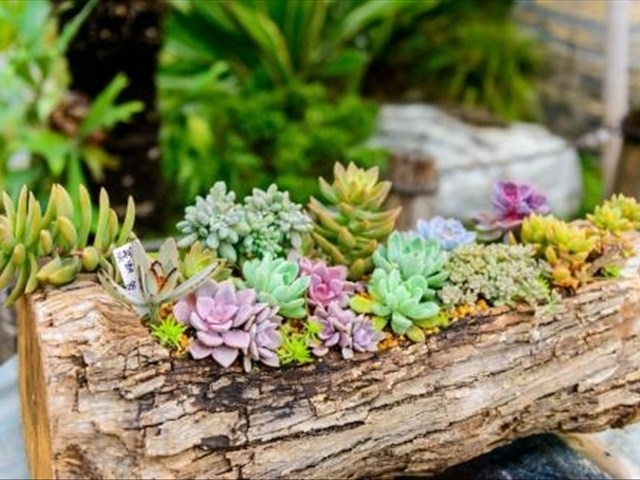 Many people now love growing succulents, but many have found that after their succulents get rained on, doing this one thing causes the plants to rapidly turn black and rot, because temperatures in many regions have already exceeded 30 degrees, and it is normal for succulents to show such signs, but if your succulents are not yet prepared for summer, then you might as well try growing them according to the following points. If the region you are in has not yet reached high temperatures, then we can do these two things.
Summary:Many people now love growing succulents, but many have found that after their succulents get rained on, doing this one thing causes the plants to rapidly turn black and rot, because temperatures in many regions have already exceeded 30 degrees, and it is normal for succulents to show such signs, but if your succulents are not yet prepared for summer, then you might as well try growing them according to the following points. If the region you are in has not yet reached high temperatures, then we can do these two things.
The first thing is to give succulents supplemental care: appropriate watering or appropriate fertilizing, as well as spraying fungicide. If the succulents are still half-rooted, or are weak or diseased seedlings, then we need to get their roots growing vigorously again quickly so they can safely make it through summer, and we also need to gradually extend the watering interval, which can greatly reduce the probability of black rot in succulents during summer.
If our succulents are in the middle of summer dormancy, then we need to shelter them from rain and sun, because summer rainfall is often relatively heavy, and combined with high temperatures, it is very easy for succulents to breed various bacteria or other diseases. We need to keep the succulent growing environment dry and reduce the number of snails.
We also need to manage succulents by category, because succulents are completely dormant in summer. We can skip watering them, but for thumb succulents the watering interval should not be too long, or their roots will dry out. If the pot is very large and the succulents being grown are relatively tough varieties, we only need to water thoroughly once the soil has dried out; we must not cut off water entirely, but we do need to extend the watering interval.
If you know that your succulents, due to improper care, have been rained on over a large area for a long time, then do not bring them indoors at this time; you must not do this. Many people think that because water has accumulated in the pot, they should put it somewhere windy, so they move it indoors to enjoy air conditioning. In fact, air conditioning is absolutely never better than outdoor ventilation. What we should do at this time is drain the water from the pot and leave the plant outdoors; it will naturally shed the excess water and slowly return to a dry state.
This problem is not serious, but if we directly bring the pot indoors, succulents will usually develop various black rot diseases. When our succulents are going through summer, we need to take certain protective measures. If the succulents have been rained on or watered, we absolutely must not immediately move them back indoors, because that will cause the succulents to die faster.
Conclusion:When we accidentally let our succulents get rained on while growing them, we must not do the things mentioned above, because the above actions are extremely harmful to succulents.
When we accidentally let our succulents get rained on while growing them, we must not do the things mentioned above, because the above actions are extremely harmful to succulents.