Nine essential tips you must master for growing flowers at home
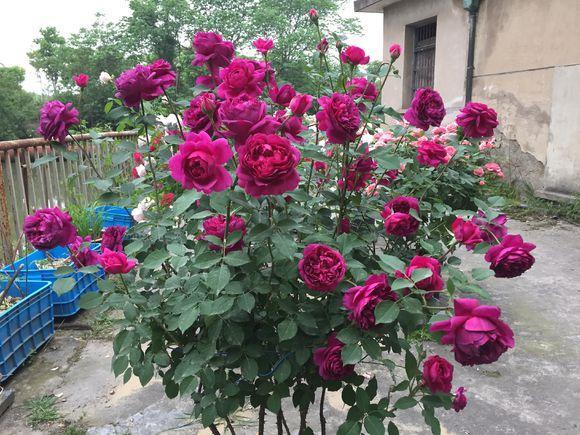
In order to grow indoor potted flowers well and let them show their beautiful and elegant side even better. The masters before us have already prepared a lot of ready-made experience for us. But as the saying goes, "a journey of a thousand miles begins with a single step"; only by steadily experiencing the whole planting process can you gain more little planting tips. So now please allow me to introduce to you some methods I have figured out in recent years when it comes to growing flowers.
To grow flowers, you need to follow nine essentials.
First, choose a suitable flower pot. During the process of growing flowers, a suitable pot can let the flowers grow vigorously. Otherwise, it may affect and restrict the development and growth of the flowers.
Choose suitable soil according to the habits of the potted flowers. Most flowers like loose, fertile, well-drained and breathable slightly acidic humus sandy soil. This kind of soil is good for the growth and development of flower roots and is beneficial for flower growth and blooming.
Master the timing of fertilization well. If you find that potted flowers are growing slowly, the branches and stems are becoming thinner, the leaves are turning pale and yellow, and the flowers are becoming smaller, it means they are malnourished. When the flowers need more nutrients during the growth period and before blooming, you should apply additional fertilizer water to the potted flowers. When fertilizing, master the principle of applying frequently and in small amounts.
Change the placement position according to the habits of the potted flowers. Shade-loving flowers should be placed in a backlit position with good ventilation, which can also meet their growth needs. When there is plenty of sunlight, it is instead unfavorable for their growth. They can be exposed to sunlight for a short time. Light-loving flowers should be placed in a sunny place to meet the growth conditions under sunlight.
Move the flower pots according to the different seasons. During the growth and blooming periods, flowers can be moved outdoors or to a sunny, ventilated place indoors. In summer, when sunlight is abundant, avoid exposure to the scorching sun and take shading measures, and the flowers should be placed in a well-ventilated place. In autumn and winter, they should be moved to a sunny place indoors.
Water according to the habits of the potted flowers and the season. The most basic principle is to water only when the soil is dry. Moisture-loving flowers should keep the pot soil moist frequently. Drought-tolerant flowers should be watered sparingly. Likewise, during the growth and blooming periods, when summer temperatures are high and evaporation is fast, you can appropriately increase the amount and frequency of watering to ensure the water the flowers need.
Repot according to the growth condition of the potted flowers. Some flowers have well-developed roots and grow quickly, and some have a large plant shape. In order to meet the growth needs of the flowers, they must be repotted regularly. This is to adapt to the needs of normal flower growth.
Frequently check whether the flowers have pests or diseases. If pests are found, timely use insecticide and that is enough; for diseases, find out whether the cause is human-made or whether the flower is sick. If the flower is sick, targeted medication can be used for treatment. Change poor flower-growing habits caused by people, and keep the pot soil clean and ventilated.
Nine, prune promptly according to the plant shape of the flowers and personal preferences. In order to ensure the ornamental value and growth needs of potted flowers, prune the plant shape at any time according to the situation, so as to ensure a beautiful plant shape and normal flower growth.