Spider plant sends out 80 babies from 1 stem, thick white roots burst the pot, how was it grown?
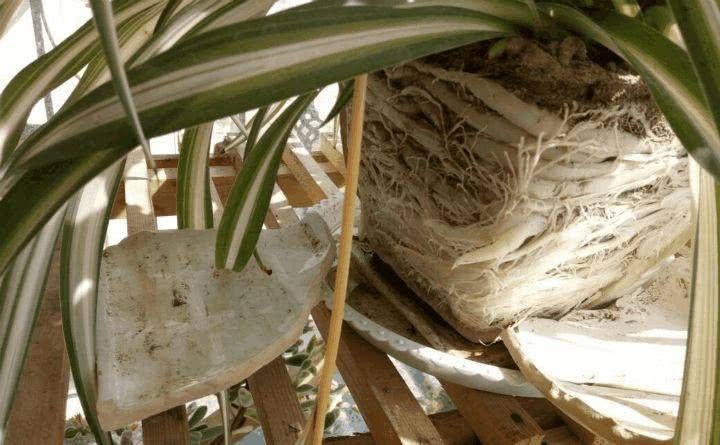
Huahua visited a neighbor's house over the weekend and found her spider plant was almost growing into a big waterfall! 1 stem was covered with small spider plant babies, and the neighbor even said that one of them had burst the pot directly. Huahua quickly got her plant care secrets, keep reading!
Grow spider plants like this in summer, leaves stay thick and plump without drying out!
1. Bright indirect light environment
Spider plants are fairly shade-tolerant, but if you want them to grow vigorously, it is best to place them in an environment with plenty of bright indirect light, so their leaves are less likely to become brittle and break, and they grow more vigorously!
2. Mist frequently to maintain humidity
Spider plants are usually watered once every 2-3 days in summer, and growers can adjust the watering frequency appropriately according to differences in their own environment. To prevent the leaf tips from drying out, be sure to mist the leaves frequently.
Feed it this regularly, and the spider plant stems will be covered with babies!
Spider plants often get yellow leaves and dry out in summer. Besides frequently misting the leaves, regularly feeding some fertilizer will also reduce yellowing of the leaves.
1. Regularly feed some rice water
Spider plants like soil rich in humus. If you do not repot or change the soil for a long time, the soil fertility will not be enough. At this time, you can water with fermented rice water 1-2 times a month, and the spider plant leaves will become wider and thicker.
2. Add a little vinegar to the water
Spider plants like slightly acidic soil, while northern soil tends to be alkaline, and after long-term watering with hard water the soil easily becomes compacted. Mix white vinegar with water at 50 times dilution, water once a month, and the spider plant will not get yellow leaves and will also keep sending out babies.
3. Regularly feed a handful of soybeans
Only when nitrogen fertilizer is sufficient can spider plants keep growing nonstop. Seal cooked soybeans in a plastic bottle and place them in a cool, ventilated place to ferment for half a month. After fermentation is complete, bury a few grains in the flowerpot each month.
Sprinkle a handful of eggshells in the pot, and thick white roots will burst the pot!
Eggshells are rich in calcium and can supplement the nutrients spider plants need for growth. Moreover, adding eggshells to the soil can also improve water permeability and air permeability, preventing waterlogging and root rot.
1. Collect the eggshells left over from daily use, rinse off the egg white, and put them under the sun to dry for 1-2 days.
2. Put the dried eggshells in a plastic bag and gently crush them.
3. Heat a frying pan, pour in the eggshells, and stir-fry over medium heat until golden brown, which helps the eggshells fully release calcium.
4. Collect the fried eggshells, dig a few small holes in the pot and bury the eggshells in them, keeping the small holes as far from the roots as possible to avoid burning the roots.
Make 1 ruthless cut, and 1 pot of spider plant becomes 100 pots!
After 2-3 years of caring for a spider plant, you will find small spider plant babies growing one by one on the extended stems. Do not ignore these small babies, as they are the secret to turning 1 pot into a hundred pots!
1. After the spider plant grows babies, do not rush to cut them off. Mist around the small babies frequently, and after a few days you will find thick aerial roots growing from the bottom of the small babies. Cutting them off for propagation at this time will give a higher survival rate.
2. For spider plant cuttings in summer, it is recommended to use water propagation, as roots form faster. Before propagating, treat the small babies by removing the small lower leaves and blackened stems, as these will basically rot in water propagation and affect water quality.
3. Put the treated small spider plant babies into a water propagation bottle, with the roots in the water but the leaves not submerged.
4. Place the water propagation bottle in a cool, ventilated place, taking care to avoid direct sunlight, change the water once a week, and after a while you will find the spider plant has grown long, thick white roots!
5. Transfer the rooted water-propagated spider plant to soil, and 1 pot can become 100 pots!
Spider plants really are good-looking and easy to grow,
Easily turn 1 pot into a hundred pots!
How are the spider plants in your homes growing, fellow growers?
Welcome to show off your spider plants!