Taiwan Regional Revitalization: Young People Returning to Rural Areas - Exclusive Interview with Tseng Hsu-cheng, Deputy Minister of the National Development Council
The Executive Yuan designated 2019 as the "First Year of Regional Revitalization," but what exactly is regional revitalization? How is it different from "community building" that has been promoted for many years? When Taiwan transplants Japan's regional revitalization experience, but the social systems and challenges faced by the two countries are not entirely the same, how should Taiwan develop its own version of regional revitalization? What can be learned from Japan, and what needs to be adjusted?
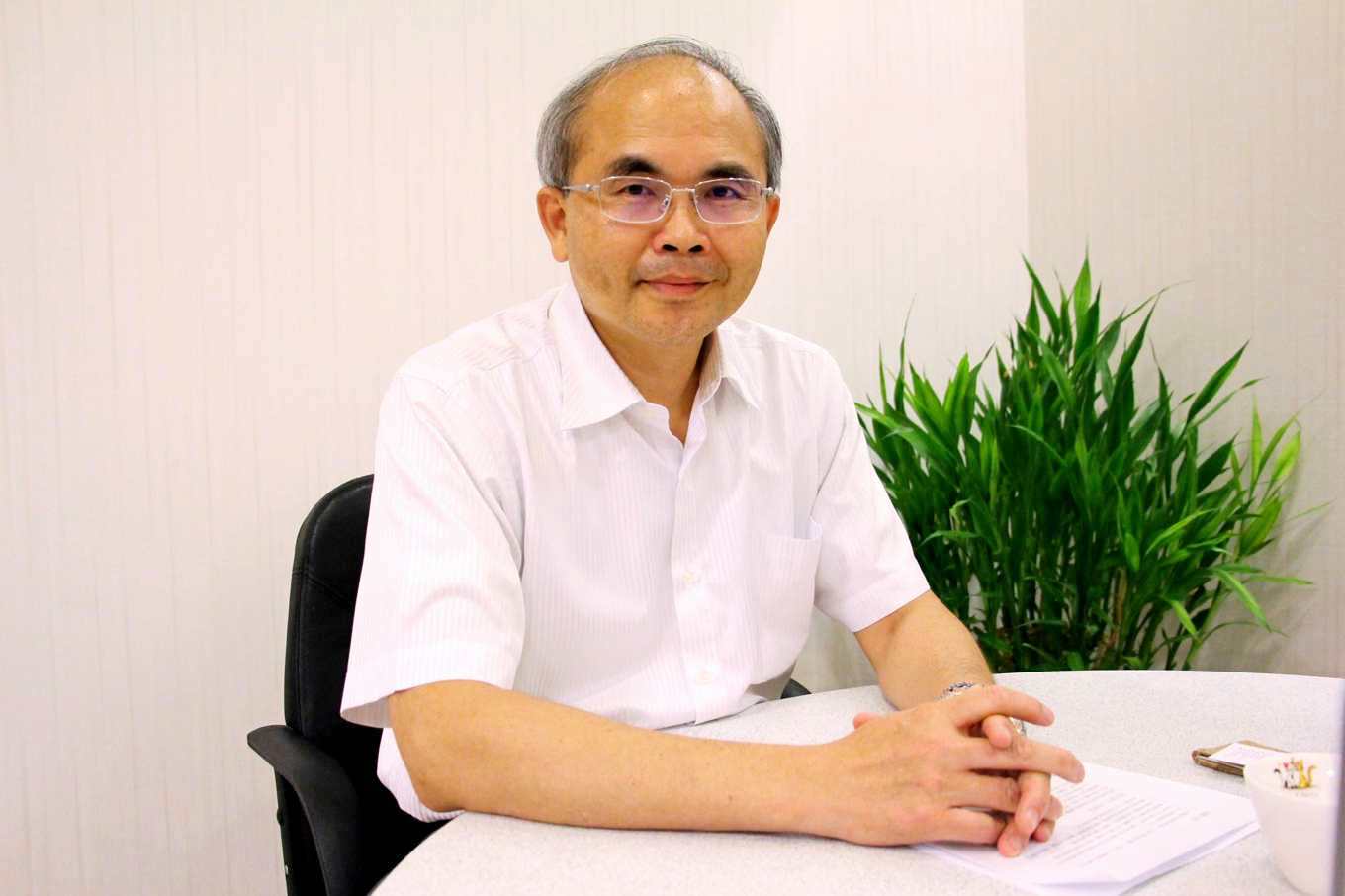
To gain a deeper understanding of the policy implications and practical possibilities of Taiwan's promotion of regional revitalization, "Upstream and Downstream" conducted an exclusive interview with Tseng Hsu-cheng, Deputy Minister of the National Development Council, who is an important driving force behind regional revitalization policy and has long been engaged in work related to community building. He previously served as director of the Graduate Institute of Architecture and Art at Tainan National University of the Arts and actively encouraged students to participate in Tugou community building. The following interview is presented in full in a question-and-answer format.
Q: How can regional revitalization be prevented from becoming top-down, or from turning into a money-grabbing scheme for local governments?
A: We do not advocate a top-down approach. We are still thinking about how to interact with local areas, but we will break the idea of local areas grabbing money. If it is just a competition to write proposals, it is meaningless. In the past, whenever the central government had any policy, everyone would assume it was a money-grabbing scheme. Now many counties and cities are also asking around about how to write proposals.
In the future, when everyone is open to submitting proposals, we will especially review whether there has been sufficient discussion and whether there are good ideas before implementation, rather than copying others or following the crowd. Before the end of the year, the plan's operational model will be submitted to the Executive Yuan for approval, including implementation details and local proposal guidelines.
Appropriate competition is a good thing; this is also the character of Taiwanese people: "Don't lose out to others, and losing is embarrassing." When the neighboring township is very serious, local residents will question why their own township is not moving at all. Healthy competition can become a source of motivation.
Q: Is the regional revitalization policy a short-term or long-term plan? If one day you leave office, is it possible that the policy will be interrupted?
A: (Taiwan's regional revitalization) policy will not have a definite plan until the end of the year, but it is impossible for it to end in just one year. A short-term plan will at least last four or five years; the long-term plan still needs to be conceived, but it will continue. Just like community building, from 1994 to now, more than twenty years later, many ministries still retain similar programs internally. In Taiwan, if you want to do community building, you do not need to fear a lack of resources. Regional revitalization is similar. Even if a different party governs in the future, it will continue.
This moment is an important point in time, because over the past decades of urbanization and industrialization, young people have been born and raised in cities and lack rural experience. To them, the countryside is too unfamiliar; soil is dangerous and dirty. This rural experience has generational differences.
As time changes, more and more of the new generation grow up in cities, and their understanding of and willingness to invest in rural areas will slowly disappear. So at this moment, we need to guide young people into rural areas and let them at least know that the countryside is not as bad as they imagine. A small number may be willing to stay because of this. Most others may not stay, but that is also fine; at least they will know the difficulties of rural areas and be willing to support them.
Society will not be transformed in a short time because of policy. We can only hope that good practices can lead some people to make some positive changes along with them, "like a flame, not extinguishing too quickly, and in the end setting the prairie ablaze." That is the mindset I hold: just contribute a bit more strength to support successful cases and give more people confidence.