Plants actually have blood types too, did you know?
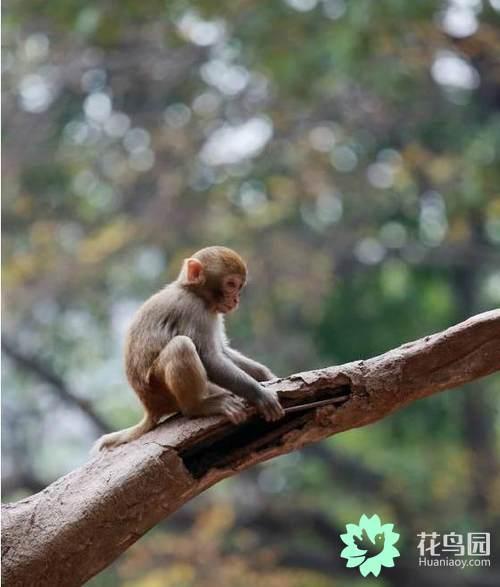
Everyone knows that humans have blood types, and the common human blood types are A, B, O, and AB. Animals have blood types too, just different from humans. According to zoologists' research, monkeys and gorillas also have the same four blood types as humans; mice have two blood types, A and B; in herbivores such as horses and cattle, type O is the most common, followed by type A, with type B being the rarest; carnivores such as lions, tigers, leopards, and wolves have three blood types: A, B, and O; snakes have two blood types, A and B; frogs have three blood types: A, B, and AB.
It is not surprising that humans and animals have blood types, but that plants also have blood types is little known. If someone asked you whether plants have blood types, you would certainly find it bizarre, saying that humans and animals have blood types because they have blood, but plants do not even have blood, so how could there be any such thing as blood types?
The so-called "blood" of plants refers to the body fluid (nutrient solution) of plants. A plant's "blood type" is actually determined by differences in the outer membrane structure of certain cells in the body fluid. What people call "plant blood type" is merely a popular way of putting it. To be precise, or scientifically speaking, it should be "plant body fluid type." Research has confirmed that the "body fluid types" present in plants are a class of glycoprotein or polysaccharide chains, also called lectins. The sugar groups of some plants happen to be similar to the blood type sugar groups in the human body. Different blood type sugars determine different blood types.
In an accidental event, Japanese police research institute forensic scientist Shigeru Yamamoto, while investigating a murder case, actually discovered a weak AB blood type reaction on a pillow with not a trace of bloodstain. To clarify the truth of the matter, he tested the buckwheat hulls inside the pillow, and the result was very surprising: the buckwheat hulls displayed the characteristics of AB blood type. This accidental discovery gave Shigeru Yamamoto inspiration, and he then tested 150 kinds of vegetables and the seeds of more than 500 kinds of plants, finding more than 60 blood types, half of which were type O, with the rest being type B and AB, and notably none of type A.
Botanists have found that kelp, apples, pumpkins, and chili peppers have type O blood, plums and peaches have type AB blood, and potatoes and barley show no detectable blood type. Experts believe that the reason plants have blood types is that there exists in plants a blood type substance with sugar chains, and this blood type substance with sugar chains is similar to human blood types.
In addition, because the blood type substances of plants are themselves highly viscous, they also seem to bear the task of protecting the plant body. Through the determination of plant blood types, new ideas have been provided not only for plant serum classification testing, cell fusion, and variety hybridization, but this will also become a key to unlocking the process of biological evolution.
All kinds of signs indicate that we humans and the life in the biological world share many commonalities and are interrelated, forming a biological chain in nature. Therefore, caring for life and paying attention to environmental protection is the common responsibility of all humanity!