Fertilize crape myrtle like this, and it will bloom in clusters, turning your balcony into a small sea of flowers
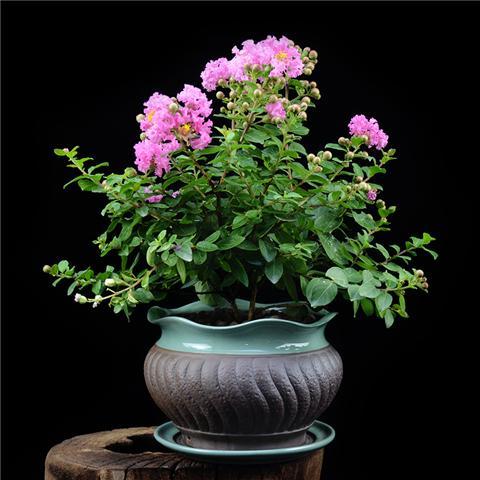
Crape myrtle is gorgeous and elegant, blooming in clusters with vivid colors and high ornamental value. Planted on a balcony, it turns into a small sea of flowers when it blooms. Crape myrtle has 4 varieties, including red crape myrtle, silver crape myrtle, and green crape myrtle, and when they bloom, it is very lively. Mastering the correct fertilization method can keep crape myrtle blooming continuously. Below are fertilization tips for crape myrtle!
Fertilization tips for crape myrtle
(1). Crape myrtle loses its leaves after winter, and at this time some organic fertilizer can be applied; generally, organic fertilizers such as sesame paste residue and animal manure and urine can be used. In spring, before the plant grows new buds, organic fertilizer also needs to be applied, which can ensure vigorous growth of crape myrtle, make the flower colors vivid, and make the blooms larger.
(2). In early March, when crape myrtle is budding, its demand for nutrients is high, so a mixed fertilizer of nitrogen, phosphorus, and potassium needs to be applied, which can help the plant's branches and leaves grow.
(3). In late May and early June, a mixed phosphorus and potassium fertilizer needs to be applied, which can promote crape myrtle blooming and also make the flowering branches stronger.
(4). July to September is exactly the flowering period of crape myrtle, and some cake fertilizer water needs to be applied, which can supplement the nutrients needed for blooming, make the flower colors more vivid, and produce more flowers.
(5). In spring and summer, when the plant is growing vigorously, increase fertilization, and note not to fertilize on rainy days or at hot noon. In autumn, reduce fertilization, and in winter stop fertilization, which can help the plant overwinter safely.
(6). If leggy growth of branches and leaves is found, fertilization needs to be appropriately reduced, and at the same time combined with pruning, cut back overly long branches to avoid consuming nutrients. Lack of fertilizer or too little fertilizer will also make crape myrtle branches and leaves weak and affect blooming, so it is necessary to fertilize regularly according to the growth conditions. Fertilization should be done by applying light fertilizer frequently to ensure the nutrients needed for growth.