How do you grow a soil-cultivated pothos so it thrives? Master these care tips
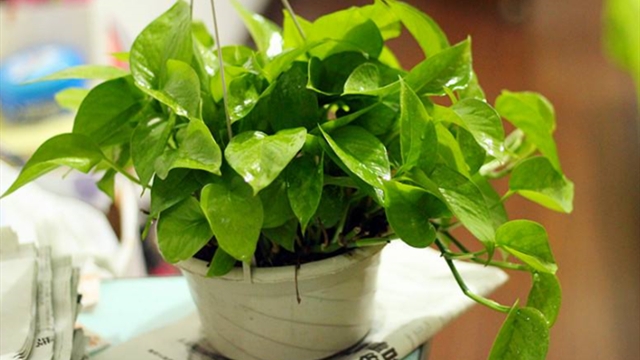
1. Water moderately
To make a soil-cultivated pothos grow more lushly, make sure the soil is slightly moist and that no standing water forms in the pot; if too much water is given, root rot will occur. In summer, you can appropriately spray water on the plant's leaves, which not only lowers the temperature but also raises the humidity of the growing environment.
2. Suitable temperature
Pothos has relatively high requirements for growing temperature; if the temperature is too low or too high, poor growth will occur. In winter it can be kept in a warm place indoors, but do not place it around a heater or oven; when summer temperatures are high, it must be cooled down promptly.
3. Plenty of sunlight
Only by giving it enough sunlight can it carry out photosynthesis; if it stays in an environment with insufficient light for a long time, it will become wilted. In summer, do not let it be exposed to direct scorching sun; if it is normally kept outdoors, then in summer move it promptly to a shady place, or take reasonable shading measures.
4. Scientific fertilization
Scientific fertilization can make a soil-cultivated pothos grow more lushly. During the growing seasons of spring and autumn, apply fertilizer once every half month; do not apply too much fertilizer, as it will burn the plant's roots. In winter it grows very slowly, so the amount of fertilizer should also be appropriately controlled, or fertilization should simply be stopped.