How to Grow Sansevieria trifasciata 'Laurentii'? Growing Methods and Precautions
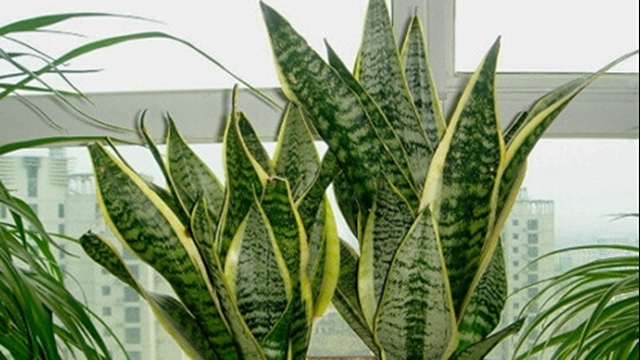
I. Growing Environment
1. Soil: To grow Sansevieria trifasciata 'Laurentii', use a sandy soil with strong air permeability. If the soil used is too sticky and heavy, it will grow poorly.
2. Light: Normally place it in a sunny spot for care. At noon in summer, when the sunlight is strong, it needs to be placed in a semi-shaded environment.
3. Watering: Do not water Sansevieria trifasciata 'Laurentii' too much; just keep the soil moist. Once water accumulates in the pot, it will cause root rot. When watering, it is best to also rinse the leaves, which helps its growth.
4. Fertilizing: During its growing period, apply a thin fertilizer once a week, and at the same time do the sterilization work well; do not give it fertilizer with a high concentration.
II. Propagation Methods
1. Division propagation: Generally carried out in spring when repotting. Take the plant out of the flower pot, remove the old soil, divide the rhizome into several plants, each with 3-4 leaves, and then plant them separately.
2. Cutting propagation: The cutting temperature is 15°C. Cut the leaves horizontally into long sections, with a length of 7-8 cm. Let them dry before inserting the cuttings, and just keep them moist.
III. Common Pests and Diseases
1. Diseases: Anthracnose and leaf spot often harm the plant. After the disease occurs, cut off the diseased leaves as soon as possible to avoid infecting more leaves, and at the same time spray with a pesticide for control.
2. Pests: The main pest is scale insects, which harm the plant's leaves. Once found, they can be wiped off with a soft cloth.