A Detailed Guide to Dahlia Planting Methods and Cultivation Techniques
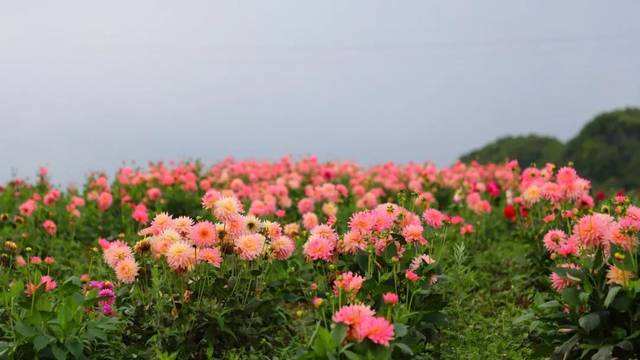
1. Division propagation
Division planting can be done right after the beginning of spring. First prepare the tuberous roots you have stored, cut the bud-bearing tuberous roots apart, plant them in the soil, and carry out normal cultivation. Planted this way, they will bloom in autumn. The advantages of division planting are a high survival rate, being economical, and being simple and convenient, but the disadvantage is that the propagation rate is not very high.
2. Cutting cultivation
To cultivate dahlias from cuttings, first select plants in good condition, cut off bud-bearing stems as cuttings, and insert them into a soil base with good drainage and sufficient nutrients. The disadvantage of this method is that the survival rate is not as high as that of division cultivation. Later management is rather troublesome; from weeding, topdressing, to pest control, no step can go wrong in order to care for it well.
3. Growing from seed
If you choose the seed-growing method, first choose a seeding tray; the seeding tray is made of evenly textured, well-drained, sterilized soil. Then spread the seeds evenly over the soil base and cover them with a layer of fine soil. Finally, cover the entire soil base with plastic film to create a high-temperature, high-humidity growing environment, and just wait for them to sprout.
4. Daily care
Once dahlias have grown into mature plants, you need to put a stake in the ground to support the stems; first, to make the flower posture look better, and second, to prevent the flowers from breaking the flowering branches. You also need to supply fertilizer reasonably; it has a relatively large demand for nutrients before and after the flowering period, so you should supplement nutrients at the appropriate time to avoid insufficient nutrients affecting the flower posture.