How to grow crabapple flowers? Detailed guide to cultivation methods and precautions
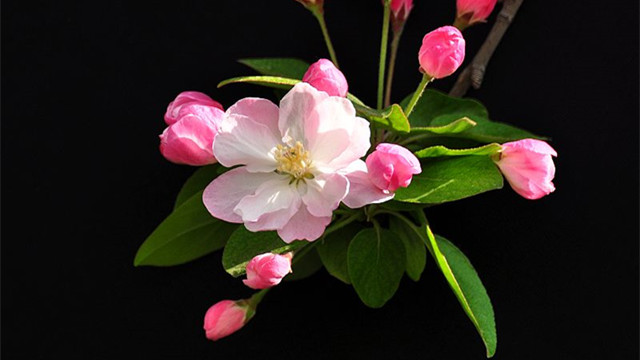
1. Soil
To grow crabapple flowers, you should choose soil suitable for their growth, preferably loose, well-draining soil. For home pot cultivation, you can use a mix of leaf mold, peat soil, and river sand.
2. Watering
Crabapple flowers are relatively drought-tolerant; there should not be excess water in the potting soil, and usually it is enough for the soil to be slightly moist. The soil should not be too dry either, as its roots cannot breathe and are prone to drying and scorching, and severe water shortage can even cause the plant to die. In spring, water once every 3-5 days; in summer, water once every 1-2 days; in autumn, water once every 4-6 days; in winter, extend it to once every half month.
3. Light
Crabapple flowers need sufficient sunlight for normal growth; if the light duration is too short, it will affect their normal growth. In summer's high-temperature and hot weather, you need to shade them and lower the temperature, avoiding strong sunlight exposure; in winter, you can give them plenty of sunlight.
4. Fertilizing
In autumn, crabapple flowers will show leaf drop, and at this time more fertilizer should be applied, preferably more phosphorus and potassium fertilizers. In spring when the flower buds form, you should apply fully decomposed organic liquid fertilizer, and during the vigorous growth period, you can appropriately increase the fertilizer concentration.
5. Pruning branches and leaves
After crabapple flowers drop their leaves and before they sprout, prune them once appropriately, cutting off dead branches and diseased branches, and shortening overly long branches.