4 great flower-growing techniques: master just one and you can grow big flower balls
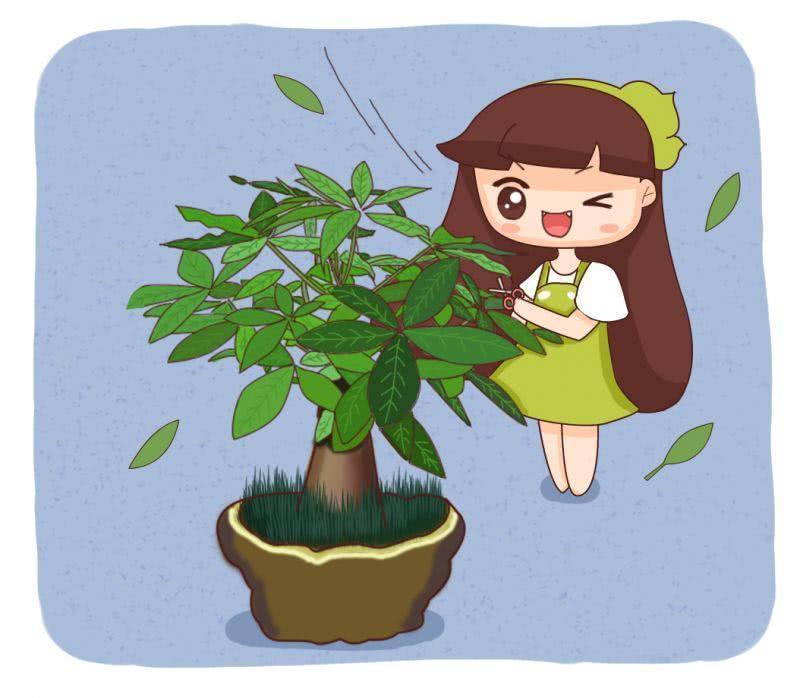
As the saying goes, growing flowers is "seven parts care, three parts pruning." When you run into problems like flowers growing lopsided, leggy branches and leaves, or no blooming, you can solve them all with one move: "cut it off and start over." And wouldn't you know it, the results are actually great!
There are 4 major pruning skills, divided into "pinching," "leaf removal," "bud removal," and "topping." Let's go through them one by one!
Pinch petunias and the more you pinch, the more flowers you get
1. The purpose of pinching
Pinching can prevent apical dominance, encourage side branches to sprout, make the plant shape full, and increase the amount of blooming.
For flowers like petunias, geraniums, and kalanchoe, repeated pinching during the growing season can create a beautiful big flower ball!
2. Pinching techniques
1. First pinching: when the seedlings grow 6 to 8 leaves, they need to be pinched. Remove the tip and keep just 4 leaves.
2. Pinching again: for herbaceous flowers like petunias, periwinkles, and marguerite daisies, they need to go through 2 to 3 pinches before blooming. After they bloom once in late summer, you can also pinch them to adjust the plant shape. After repeated pinching, you can grow a big flower ball!
Remove a few leaves and your flowers won't get sick or turn yellow
1. The purpose of leaf removal
As a plant grows, its leaves become more and more dense. Removing leaves helps with ventilation and light penetration, reduces the occurrence of pests and diseases, and also saves nutrients, promoting the growth and development of new leaves and flower buds.
2. Leaf removal techniques
1. Remove old leaves: jasmine and Aglaia odorata grow vigorously with abundant branches and leaves. While they are sprouting, leafing out, and blooming, they are also constantly forming dark green, lusterless old leaves. These should be removed promptly to save nutrients.
2. Remove yellow and diseased leaves: during care, whenever you see yellow leaves or diseased leaves, remove them at once to reduce the spread of pests and diseases.
3. Remove leaves when transplanting: when transplanting a plant, remove some of its leaves, especially the lower ones, to reduce water evaporation and help it survive.
Remove buds from roses and the flowers will be big and vivid
1. The purpose of bud removal
In summer, the base of the stems of flowers like roses and chrysanthemums easily sprouts adventitious buds that disrupt the plant shape. These should be removed promptly. Its effect is similar to thinning buds: it concentrates nutrients to make the flowers big and vivid.
2. Bud removal techniques
1. Remove secondary buds: after rose cuttings take root, one bud point will produce at least 3 buds. To concentrate nutrients, pinch off all the inward-facing and crossing buds.
2. Remove weak buds: when the branches are not thick enough and the bud points are too dense, pinch off the thin, weak buds and keep the spacing between bud points at more than 5 cm.
Trim the roots of clivias and they grow stronger and stronger
1. The purpose of root trimming
In summer's high heat and humidity, clivias easily get root rot. Repot and trim the roots in time, cutting off old roots and rotten roots, to encourage new roots to sprout and keep the plant strong!
2. Root trimming techniques
1. Remove from pot: when the soil is half-dry, take the clivia out of the pot together with the soil, then gently shake off the soil, being careful not to damage the roots.
2. Trim: rinse the roots clean with water and cut off rotten roots, old roots, and excessively long roots.
3. Disinfect: place the trimmed roots in a 500-times dilution of carbendazim solution, soak for 30 minutes, then put them in a cool, ventilated place to dry.
4. Repot: change the soil and replant. A mix of leaf mold and coarse sand is fine. Add a few pieces of charcoal to the pot to increase air permeability. After repotting, water thoroughly once and keep it in a ventilated spot with scattered light.
Pruning is not limited to these 4 methods. During daily care, you should also cut off leggy branches, tangled branches, diseased branches, and weak branches at any time!
Fellow flower lovers, have you all learned it?
Hurry and check whether your flowers need pruning,
If you have any questions, remember to send photos and ask me~
?