How do you grow aloe so it thrives? The correct cultivation methods are here for you
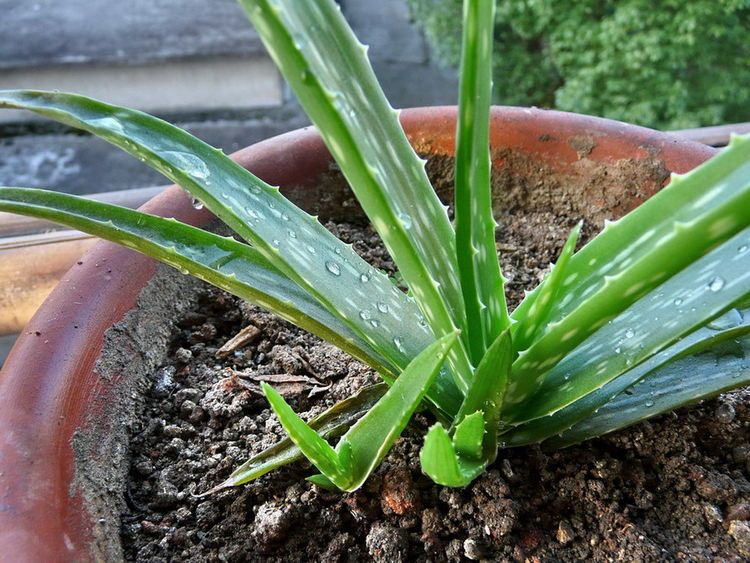
Aloe has amazing cosmetic and medicinal uses, natural edible benefits, a range of varieties, an attractive appearance and colorful foliage, so many people grow it as an ornamental plant. Aloe can also absorb indoor carbon dioxide, effectively remove indoor formaldehyde and purify the environment, so more and more people like aloe.
1. Aloe soil must have some sand or fly ash and wood chips added to increase drainage and aeration, so that water does not accumulate easily.
2. When choosing aloe, you must pick short, thick leaves with a dark green color, and aloe seedlings with at least four roots; such seedlings are more robust.
3. Choosing a pot. Aloe is best grown in a clay pot with good breathability. If you choose a new pot, first soak it in water; for example, residue and moss in the pot should be cleaned off in the sun and dried.
4. Potting and the pot. Aloe should have short, thick leaves, dark green and more than 4 roots. Potting is usually done in spring and summer, and the indoor temperature is more suitable at 15-18°C. Aloe should be kept in semi-shade until it has slowly taken hold, then moved into the sun. Seedlings should not be watered to encourage rooting. After rooting, water can be sprayed frequently onto the leaves to promote root formation.
Potted aloe is usually repotted once every 1-2 years, generally in 4-5 months and 9-10 months. When removing it from the pot, keep the soil ball intact and try not to damage the roots. The aloe is moved into a larger pot, then new potting soil is added around it, firmed and watered. After repotting, place it in semi-shade for a period, let it fully settle in, then move it to a sunny place for care.