Buying flowers takes real know-how, and proper handling after bringing them home matters even more
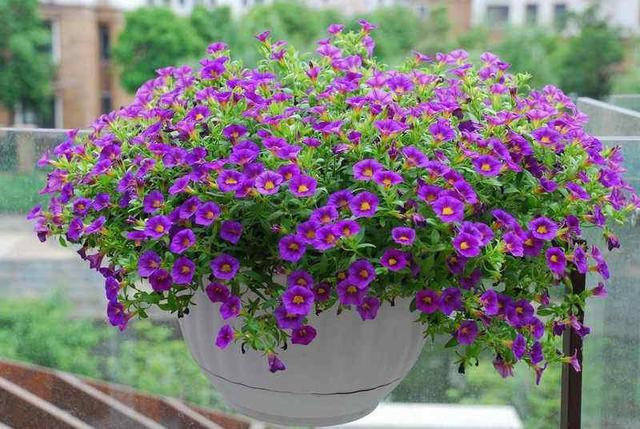
Ever since I got into growing flowers, I always like to wander around the flower market whenever I have free time, and whenever I see plants I like, I always buy a few pots to take home and grow. But the plants that look so full of life at the flower market start to droop their leaves just a few days after I bring them home, and some even drop their leaves. So choosing flowers is quite a technical skill.
1. Choosing and buying flowers
After buying flowers, it is best to grow them in their original pot and soil. Of course, it is generally recommended to buy plants that are in season as much as possible. Growing southern flowers in the north is somewhat difficult, so try to choose flowers suited to the local environment, which makes care much easier.
2. Caring for bare-root plants
If the flowers you buy do not come with soil, then do not rush to pot them up after getting them home. First soak them in water for a few hours so the roots can fully absorb water. Only this way can you ensure the plant will not die from lack of water right after being potted.
3. Proper pruning
Newly bought flowers can be pruned appropriately. For example, with newly bought roses (Rosa chinensis), you can prune the upper flowers and branches as needed, which encourages new buds to sprout. Also, newly potted flowers must not be fertilized right away. Generally, fertilize after two months, following the principle of light but frequent feeding.
Caring for potted plants is also fairly simple. Place them in a spot that receives consistent indirect light and has good ventilation. No fertilizer is needed, and there is no need to put them in the sun too early. After bringing them home, they still need some time to adapt. When flowers are acclimating, a small amount of yellowing leaves, leaf drop, or a few dropped flowers and buds are all normal, and they usually recover after a while.