The rose is worth more than gold: what are the scientific care methods and points to note?
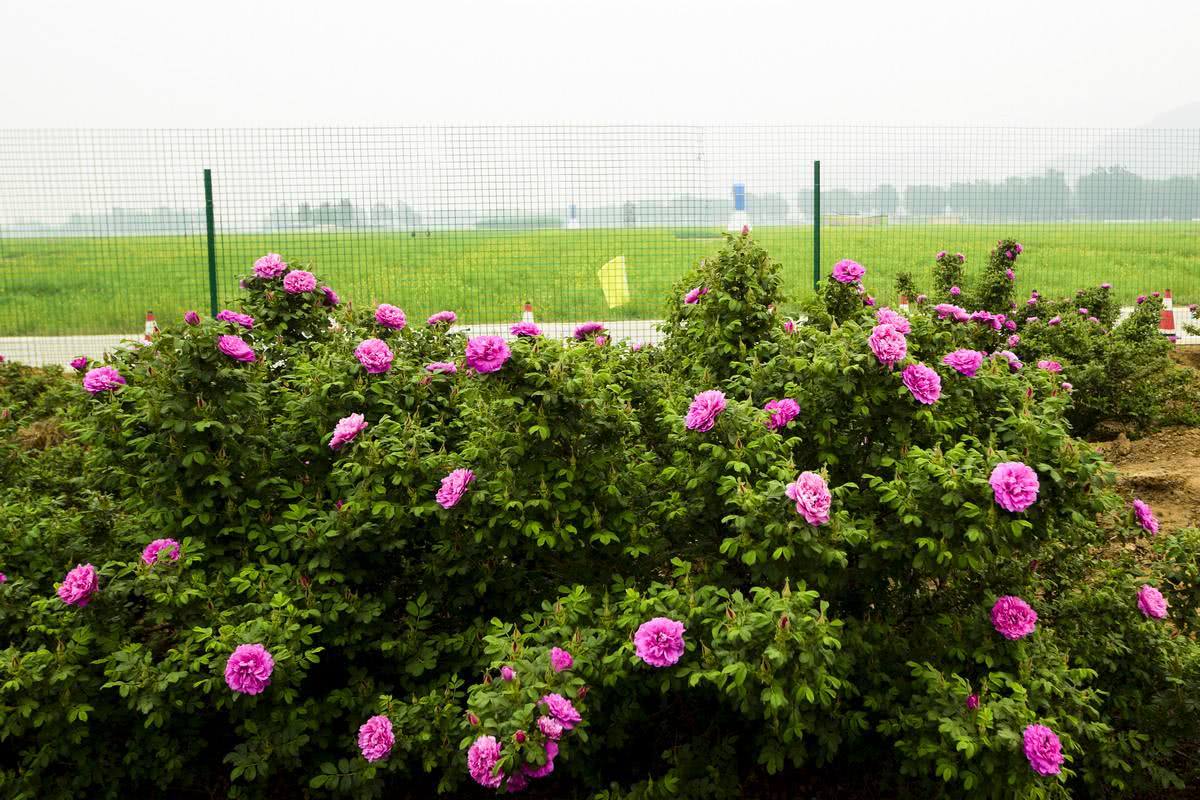
Roses symbolize beautiful, pure love, and different colors carry different meanings; they are an indispensable flower for important romantic holidays.
Aliases:Wandering flower, red rose, sea osmanthus.
Place of origin:China.
Habits:Loves sunlight, tolerant of drought and cold, suitable for loose, fertile, well-drained sandy loam soil.
Flowering period:4~5 months
Features:Highly adaptable, with a refreshing fragrance; the petals have beauty benefits.
Roses
Rose care secrets
1. (Ground planting/container planting) Planting
Before ground planting, choose a sunny, high, dry, well-drained plot, dig a hole and set the plant in place; before planting, apply decomposed organic fertilizer in the hole as a base fertilizer, and after planting water thoroughly.
For container planting, use garden soil, leaf mold and sand at a ratio of 5:3:2 to scientifically prepare the growing medium; after the plant is potted, water thoroughly and place it in a shaded, cool spot for 10 to 15 days, then move it into the sun once the plant has stabilized.
2. (Ground planting/container planting) Fertilizing
For courtyard ground planting, fertilize 3 to 4 times a year. Apply a bud-forcing fertilizer once in February~March; fertilize once each before and after flowering; and apply a wintering fertilizer once in early winter to ensure vigorous growth the following year.
For home container planting, fertilize 3 times a year: apply a bud-forcing fertilizer once in February~March, and fertilize once each before and after flowering.
3. (Ground planting/container planting) Watering
Roses are cold-tolerant but not waterlogging-tolerant; for ground planting, generally no watering is needed normally, and it is enough to water appropriately only in early spring and during drought.
For potted roses, keep the potting soil moist during the growing period, and do not allow water to accumulate in the pot, otherwise waterlogging that drowns the roots can cause serious problems such as leaf drop.
Roses
4. Rose pruning
Pruning is an important part of rose care. Pruning is divided into growing-season pruning and dormant-season pruning. For growing-season pruning, promptly cut off the flower stalks, diseased branches and weak branches after the flowers fade; for dormant-season pruning, before buds break in early spring, leave 4~5 branches per plant, leave 1~2 side branches on each branch, and leave two buds on each side branch.
5. Rose propagation
Division method: suitable in spring and autumn. Select vigorous plants, take them out with the roots, cut the plant into 2~3 parts from the root, and plant them separately. Generally do this once every 3~4 years.
Cutting method: choose spring and winter. Both hardwood and softwood rose cuttings can be used. For hardwood cuttings, generally in February~March before the plant buds, select vigorous 2-year-old branches, cut them to 15 cm, dip the lower end in mud slurry and insert into a cutting bed (sandy). For softwood cuttings, choose July~August and insert the current year's softwood branches into the cutting bed. Before cutting, an appropriate rooting powder can be used.
Roses
6. Rose pest and disease control
Rose stem sawfly: mainly harms rose stems, causing branches to wither and even the whole plant to wilt. Check the pith area of the roots and stems; if holes left by boring insect activity are found, drip in 1~2 drops of 1% avermectin liquid for control. If young branches are damaged by the pest, cut them off and destroy them.
Rose noctuid moth: mainly harms leaves, and also bites flower buds and flowers. It can be controlled by spraying with 1% avermectin diluted 2000 times with water.
7. What to do if rose leaves turn yellow and drop?
7.1 Use loose, well-drained soil, place the plant in a ventilated, cool spot, and prevent water from accumulating in the pot when it rains.
7.2 Do not water too much. In hot summer, water once each in the morning and evening; if the lower leaves have already turned yellow, stop watering, loosen the soil around the plant, and let the moisture evaporate as quickly as possible.
The rose is a classic raw material for fragrances; people often use it to scent tea, make wine and prepare desserts, and it is worth more than gold. When rose is used as medicine, its flowers are shade-dried; it has the effects of promoting qi flow, invigorating blood and astringing, and it is also a raw material for extracting natural vitamin C.
Regarding rose care, if flower lovers have other questions, they can leave a comment.
Liking + following + sharing is the best support.