Sophora flowers are very common, but the fruit is rarely seen; dried and made into tea, it sells for 15 yuan per jin
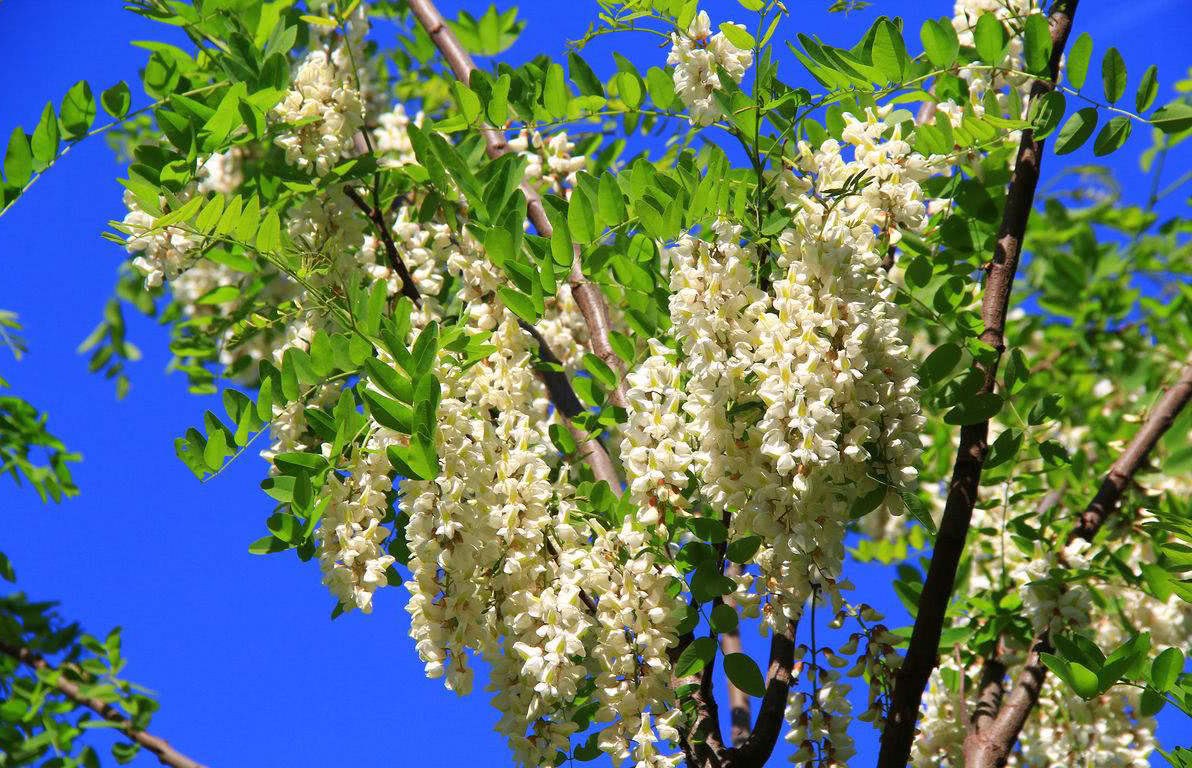
The Sophora tree (Sophora japonica, Japanese pagoda tree) is an ancient sacred tree unique to China. Through the ages, dynasties had the custom of worshipping the Sophora tree. The Sophora tree is a common tree seen at doorsteps, mostly planted in rural areas for shade. Perhaps because they live together with it, people observed the Sophora tree's powerful vitality, still standing firm through wind and rain, so it was regarded as a symbol of good fortune and abundant blessings.
Every year in July and August, when the Sophora tree blooms, clusters of white flowers hang down for people to admire. Everyone has seen the Sophora tree bloom, but many people may never have seen the Sophora tree bear fruit. This fruit is called "huaijiao," also known as "huaishi," "huailiandou," and so on.
The Sophora tree we are talking about here is the Chinese Sophora (Sophora japonica), not the black locust (Robinia pseudoacacia). It is widely distributed in China, planted in both the north and the south. It is not picky about conditions; it only needs neutral sandy soil with enough temperature and sufficient moisture. So it is often planted along both sides of streets and in home courtyards. It blooms every year in July and August, and produces fruit in September and October, which is the huaijiao.
According to the herbal classic "Zhonghua Baodian," huaijiao can cool the blood and stop bleeding, clear the liver and brighten the eyes. It is effective for hemorrhoid bleeding, intestinal wind with blood in the stool, abnormal uterine bleeding, liver-heat red eyes, and dizziness. "Muhuazi Bencao" records that huaijiao treats genital sores and damp itching in both men and women. Pharmacologically, it has the effect of lowering blood sugar, and in terms of antibacterial disinfection, it strongly inhibits Staphylococcus and Escherichia coli.
Local farmers use the cold winter wind to air-dry the pods, about six cm or so, then steam them to dry out the moisture for storage. They boil the whole pods in water or use them for daily steeping in water. Northern farmers also use huaijiao to make a food called "huailiandun," said to be a food only the old farmers there know how to make.
To judge whether huaijiao is good or bad, you can look at many aspects of its appearance. Plump, long pods, yellow-green, full, neat, and free of impurities are the best. Huaijiao for treating hemorrhoids is a very famous folk remedy, simple to do, and rumored to have remarkable effects.
To treat hemorrhoids with huaijiao, you can directly take the prepared huaijiao tea and steep it to drink, three times a day, and it can be drunk long-term. It has the effect of clearing toxic heat from the body and cooling the blood. According to an old farmer in the village, he often dries huaijiao to make tea to sell, and the tea made from huaijiao can sell for 15 yuan per jin, which shows its value.
In addition, you can put huaijiao in a pot and boil it, cook out the liquid, then use the water to fumigate the anus, ten minutes at a time is enough, and you can directly use huaijiao water to bathe.
Because Chinese Sophora trees are everywhere in our country, huaijiao can be considered a Chinese herbal medicine you can find right at your doorstep. The Sophora tree is worshipped by people, and huaijiao can also be used by people. The Sophora tree is truly the most down-to-earth sacred tree.
Dear friends, do you have Sophora trees planted where you are? Have you seen huaijiao? Welcome to leave a message and share!