Spray this on the leaves of your jade plant, and in one month it will grow into an emerald ball
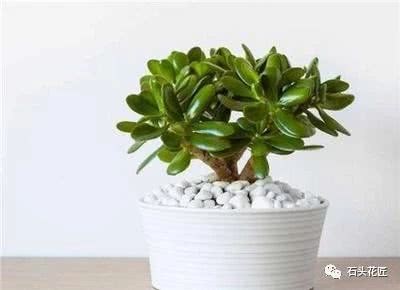
Spray "it" on the leaves of your "jade plant", and in 1 month it will grow into an "emerald ball" - truly worthy of the name!
Many flower lovers enjoy growing jade plants. Cut a branch and you can start a pot; 1 leaf can grow into a small plant. The propagation method is very simple, and since the jade plant is not picky about its growing environment and can survive just by being tossed into a pot, it is widely loved by flower enthusiasts. Although the jade plant is easy to keep alive, if you want it to grow robust and emerald green, you still need to put in some effort with cultivation.
The jade plant is a member of the Crassulaceae family, and its fleshy leaves contain a lot of nutrients and water. A healthy jade plant has leaves that are emerald green and dripping with vitality, plump and round, like pieces of emerald jade - as if many jades were hanging from a tree. Keeping a jade plant alive is very simple, but to make its leaves grow emerald green and plump, you can use the method of applying leaf fertilizer during cultivation to make your jade plant's leaves grow emerald green and dripping with vitality. Keep fertilizing once a week, and after one month new buds will burst out all over the pot - truly a jade plant worthy of the name.
The foliar fertilizer chosen for home gardening is monopotassium phosphate, a very common phosphorus-potassium fertilizer rich in phosphorus and potassium. The phosphorus element is a necessary factor for the plant's chlorophyll production, and the potassium element can promote the growth and development of the plant's root system. As a leaf fertilizer for foliage plants, monopotassium phosphate plays a big role in leaf growth.
The jade plant is a fertilizer-loving plant. In the fast-growing summer, you can choose monopotassium phosphate as a foliar fertilizer to apply, promoting the growth of new buds and the synthesis of chlorophyll. Mix monopotassium phosphate with water at a ratio of 1:1000, and spray it onto the jade plant's leaves with a spray bottle; fertilize once a week, choosing the early morning and afternoon as the fertilization times, because fertilizing during these two periods gives a lasting effect. By all means avoid fertilizing too frequently - once a week is absolutely enough. The monopotassium phosphate that lands on the leaf surface will quickly be absorbed by the leaf cells, promoting the development of new buds and the synthesis of chlorophyll, which will make the leaves grow emerald green and plump - basically after one month it will have grown into an emerald ball.
Of course, to grow a jade plant well, relying on fertilization alone is definitely not enough; pruning and light must also be reasonable. If you want the jade plant to grow more new leaves and make the whole plant look full, pruning is essential. The pruning method and principle are very simple: just cut off the terminal buds of leggy branches and cut away dense branches, leaving space for the plant to grow so it does not grow crooked and twisted.
Giving the jade plant light in summer is also very important. It cannot go without light for a long time, and should be placed under scattered light; nor can it be placed in direct sunlight to bake. Everyone knows this is the midsummer season, and the midday sun is very fierce, easily scorching the leaves - and the emerald green leaves you want will definitely be gone.
Actually, no matter which flower you grow, it is the result of a combination of factors. You cannot grow it well by relying only on fertilization, only on watering, and even less only on light. Likewise for the jade plant: fertilization is important, but pruning and light must also be reasonable for it to grow into a robust potted plant.
These are little tips about fertilizing jade plants. If you find them useful, please like, follow, and share them with more friends below!
I am [Stone Gardener], sharing horticulture and flower knowledge every day