If flowers do not bloom or bloom sparsely, you can check the reasons from these aspects
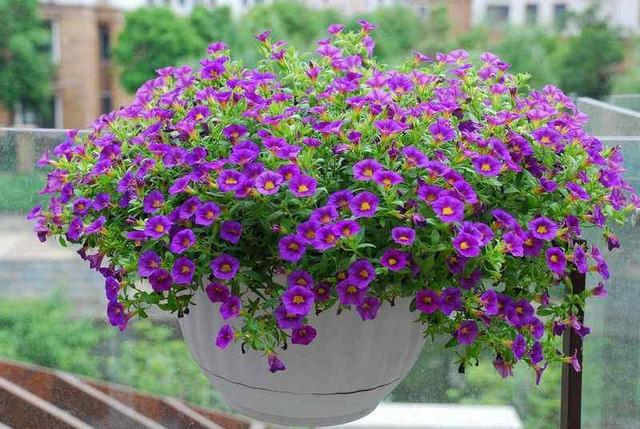
Many friends have now taken up growing flowers, and after carefully caring for them, finally seeing the blooming flowers brings no small sense of achievement! When there is nothing else to do, "fiddling with flowers and plants" enriches our spare time. However, after working hard to grow flowers and caring for them for a long time with great effort, the result is that they simply do not bloom. Why is that?
1. Excessive or insufficient water and fertilizer
During the growth period of flowers, if water and fertilizer are relatively heavy, it is quite easy to cause excessive vegetative growth of branches and leaves. Nutrients are mostly used for roots, stems, and leaves, and vegetative growth exceeds reproductive growth. When flowers lack nutrients, it affects the formation of flower buds, leading to no blooming or sparse blooming. Applying fertilizer that is too concentrated during the bud stage, or watering sometimes too much and sometimes too little, can also easily cause flowers and buds to drop.
2. Unsuitable light and temperature
Generally speaking, flowers have different native environments and therefore different preferences. Some prefer light and heat, while others prefer a cool environment. If their living conditions cannot be ensured as much as possible, then flowers and buds are also prone to dropping. Therefore, when growing flowers, we need to understand the growth habits of the flowers in advance and try our best to provide a suitable living environment.
3. High soil salinity and alkalinity
For most flowers that prefer acidic soil, salinity and alkalinity are very frightening, such as jasmine, gardenia, camellia, and Aglaia odorata, which are acid-loving flowers. Generally, if the pH value of the soil they live in exceeds 7.5, it will affect their flowering and growth.
In addition to the above situations, if flowers and plants are not pruned and shaped for a long time, this not only affects their appearance but also consumes a large amount of nutrients. This will also affect the formation of flower buds, causing no blooming or sparse blooming. Therefore, during usual care, proper pruning is also needed to avoid the situation of not blooming.