Indoor bonsai often fail because you do not know how to care for them: do these four things and your bonsai will be lush and green
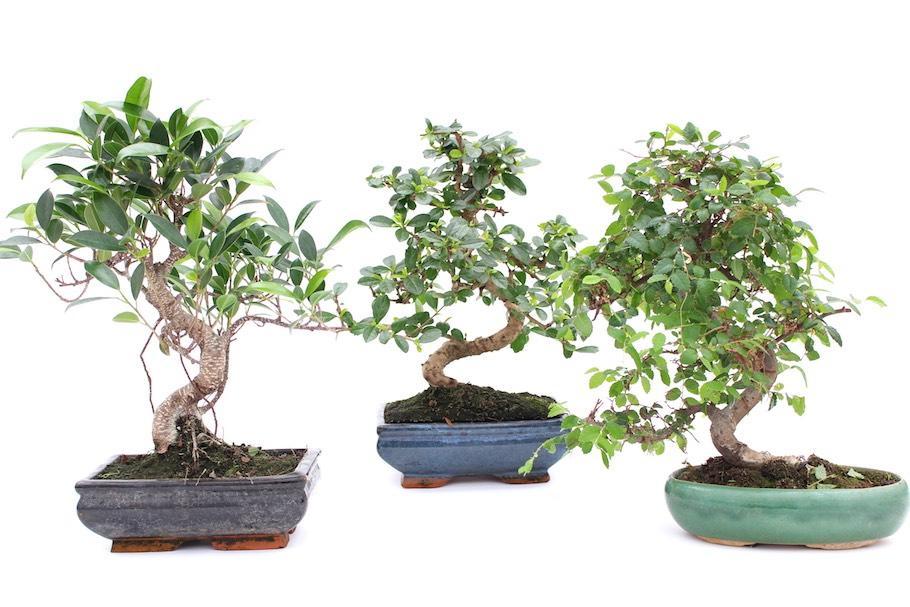
A common misconception about bonsai is that it can be grown indoors like a houseplant.
Like natural trees, bonsai must be exposed to changing climates, and it is best to place them outdoors.
If a bonsai is placed indoors, it is best to choose tropical or subtropical plants, which can adapt to the stable high temperatures indoors.
So what kind of tropical trees are better to choose?
There are indications that several trees can be grown indoors. The most common variety is the weeping fig (Ficus microcarpa). This tree handles various conditions well, such as high temperatures and low humidity.
Some other popular indoor bonsai, such as jade plant, glossy privet, tea tree, Schefflera arboricola and sweet plum, are also good choices.
Indoor bonsai
Reasons for growing bonsai indoors
Many tree species need a winter dormant period. After the process of falling temperatures and gradually shortening daylight hours, the growth cycle temporarily stops during this period, and the next growth cycle begins again in spring.
Indoor bonsai care
The care of indoor bonsai differs from that of ordinary foliage plants. The main reason is that the bonsai is grown in a small pot, where water and nutrients are limited. The biggest difference is that tropical plants need high humidity and plenty of sunlight, which is difficult to create indoors.
Various factors affecting the growth of indoor bonsai plants
1. Sunlight
When maintaining tropical plants indoors, we need to remember how to make sure there is sunlight, which is much lower than outdoors. If there is not enough sunlight, growth will become dull and the plant will therefore be weakened. Even when cultivated indoors, be careful to place the bonsai in a bright place with frequent light or in a bright place near a window.
If there is still not enough sunlight, you can turn on electric lights for about 8 hours a day, which will help the plant grow.
2. Humidity
Tropical plants may actually need much higher humidity than indoor conditions provide. Especially when a heater or air conditioner is used indoors, it is dry. You can increase humidity by placing a tray with water next to the bonsai or by misting it several times a day. In addition, opening the windows during the day and letting in outdoor air is also a good thing.
3. Watering and fertilizing
Watering must be thorough, but please do not use methods such as a set number of times per day; please observe the bonsai frequently and give the necessary water when needed.
4. Temperature
Tropical plants need higher temperatures all year round, so please place them in the living room and maintain a good indoor temperature. Subtropical plants, however, adapt better to low temperatures than tropical plants, and are much easier to care for.
If you can choose a tree species that matches your life and take careful care of it every day, you can certainly grow a good bonsai too.