Flowers not growing well and rotting roots? Give them a vitamin C tablet and they'll thrive easily
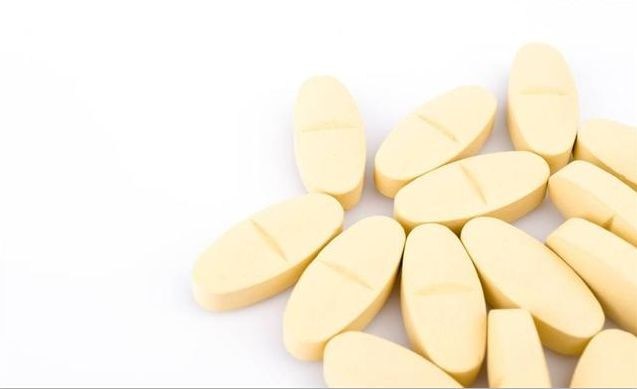
There are countless methods for growing flowers these days, especially using things around the house that go unused, turning waste into treasure. Today, Huahua is telling everyone about using the vitamin C tablets we always keep at home to grow flowers.
Vitamin C is very important to us, and we need to replenish it every day. Likewise, it has many benefits for the flowers at home too. Vitamin C tablets not only effectively improve the soil condition, but can also promote blooming.
When we generally use it for flowers, we mix it into water, which makes it acidic. For acid-loving plants, this is undoubtedly the best growth booster. Especially for gardenias, jasmine, azaleas and the like at home, if yellowing leaves appear, that means the soil has become too alkaline.
At this point, we can crush the vitamin C tablet and put it in water, stir it evenly, and then we can pour it into the soil. This will improve the soil condition and let the plants grow better.
In addition, when the plant is blooming, you can water it with a little vitamin C water. This will not only extend its flowering period, but also make it grow more robust. By the way, effervescent vitamin C tablets are also very handy to use, as this saves the step of crushing them. Once they dissolve in water, they can be used directly to water the flowers.
Vitamin C tablets can also be considered a good fertilizer, so we shouldn't use them too frequently. Be sure to control the amount. During the growing period, once every 10 days is enough. Otherwise, once overdosed, it will also have a certain impact on plant growth.
By the way, besides being used to water flowers, vitamin C water can also be put in a spray bottle. Normally you can spray it toward the leaves. This not only washes off the dust on them, but also supplements nutrients, making the leaves grow more glossy green and thick.
Although vitamin C tablets can help plants grow well, the most important thing is to understand whether the potted plants we have like acidity. For example, Chinese roses and rose of Sharon like acidic soil. If we use it on them, it will only backfire. So the first thing we need to figure out is our own plants' preferences, and only then can we grow them better!