How to care for the Chinese lantern hibiscus? Care for it this way for a longer blooming period and more beautiful flowers
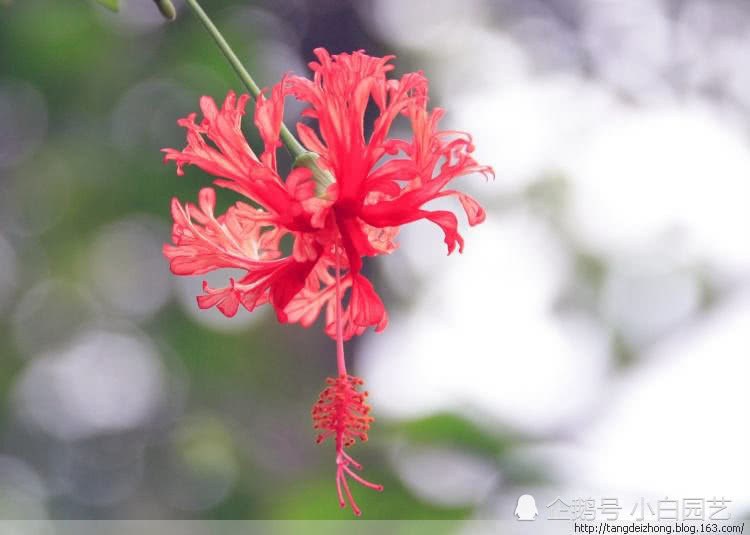
Today we bring you an introduction to the Chinese lantern hibiscus plant. The Chinese lantern hibiscus is a very common tropical shrub-type ornamental flowering plant, usually seen in gardens or as a courtyard tree, and also commonly used to decorate and add atmosphere to major holiday scenes. It is one of the most popular plants, so many people want to bring such a light and beautiful plant home. Before growing the Chinese lantern hibiscus, let us first learn how to grow it at home!
How to grow a potted Chinese lantern hibiscus at home
1. Soil
For planting the Chinese lantern hibiscus, loose, fertile sandy loam should be chosen. Repotting should be done every year in early spring. Before repotting, prepare fresh growing soil, cut off some of the overly dense curled fibrous roots, and apply enough basal fertilizer to nourish the roots.
2. Light
The growth habits of the Chinese lantern hibiscus require it to receive sufficient sunlight, so when growing it indoors, it is best to place it on a balcony or in another bright, warm environment. Do not place it in a shaded spot, otherwise growth will be affected.
3. Temperature
The Chinese lantern hibiscus is a tropical plant. It likes high temperatures, is drought-tolerant but not cold-tolerant. In northern regions, it needs to be grown indoors in winter, and it should receive light frequently, maintain warmth, and be well protected against the cold.
4. Watering
During the growing season, watering should be sufficient. It must not lack water, nor should it become waterlogged. Usually water once a day, and during the dog days of summer, water once in the morning and once in the evening. Sprinkle water on the ground frequently to increase humidity and lower temperature, preventing young leaves from scorching and flowers from dropping early.
5. Fertilizing
During the growing season, the Chinese lantern hibiscus has a relatively high demand for fertilizer, so fertilizer and water should be increased, applying fertilizer once every 7-10 days. After it matures, attention should be paid to applying dilute fertilizer more often, but after autumn, reduce fertilizing as much as possible to avoid producing autumn shoots.
Precautions for growing a potted Chinese lantern hibiscus at home
1. Root-knot nematode disease
This is a widely distributed and seriously harmful disease, especially common during the cultivation of the Chinese lantern hibiscus. When reddish-brown dead spots appear on the edges of the leaves and spread inward, be on guard. At this point, you can replace the soil and apply aldicarb granules into the new soil to completely eliminate this disease and pest.
2. Pruning
The Chinese lantern hibiscus grows quickly, so pruning is a must. You can choose to prune and shape it around early spring. For each branch, except for leaving 2-3 buds at the base, cut off everything above. Pruning can promote new branches, making growth more vigorous and the plant shape more attractive.
Now that we have introduced the growing methods and precautions for the Chinese lantern hibiscus, you surely have some understanding of it. Next, we will go further and learn more about the value of the Chinese lantern hibiscus.
The value of the Chinese lantern hibiscus
1. Landscape use
The Chinese lantern hibiscus has a special flower shape and slender floral posture, like a wind chime listening with a lowered ear, and also like a gorgeous chandelier. It is an excellent choice for decorating holiday parks, home balconies, public places and many other scenes. It can blend perfectly into the surrounding environment and embellish and beautify the scenery. It is a very beautiful ornamental potted plant.
2. Medicinal use
The Chinese lantern hibiscus has high medicinal value. Mash the leaves and apply them to red, swollen or poisoned areas to reduce swelling and relieve pain. Alternatively, dry the leaves of the Chinese lantern hibiscus, grind them, mix them with other medicinal materials, and apply to the affected area.
The leaves of the Chinese lantern hibiscus also have a certain therapeutic effect on armpit sores and ulcers, and using them can accelerate improvement.