Even If These 4 Toxic Flowers Are Dirt Cheap, Don't Keep Them - Move Them Out Right After Reading This
As living standards improve, growing flowers has become one of life's colorful pleasures. Besides beautifying your home, potted flowers can lift your mood, and some can even purify the air - a real win-win. That said, growing flowers at home involves a lot of know-how, such as which flowers have auspicious meanings and which ones should never be kept.
Next, Potted Plant Nook shares with you several flowers commonly seen in daily life or at the flower market. Although they are fairly easy to grow and good-looking, I still suggest flower lovers not bring them home. Not for any other reason than that these flowers are "toxic." They are bad for your health, so if you are growing any of them, move them out right away!
1. Alocasia (Alocasia macrorrhizos)
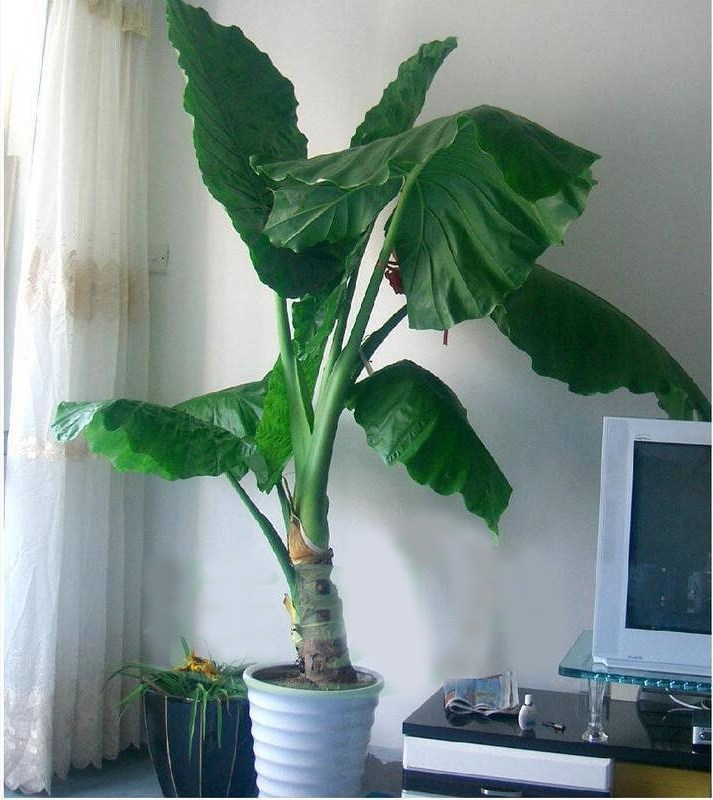
Alocasia is a very well-known foliage plant. Its leaves are large and stay lush green all year round, adding a lot of vitality to the home. On top of that, its big leaves can trap dust, so quite a few flower lovers grow it. But this potted plant is toxic. Its sap is highly toxic, especially for those with children at home - it is best to move it out of the room and grow it somewhere else.
2. Poinsettia
Most flower lovers know that poinsettia is toxic - after all, the whole plant is poisonous, so it cannot be grown casually. Don't assume that because its color is so vivid and its ornamental value so high, you can just place it on an indoor balcony. Even when you water it, the water evaporating from the leaves can have a negative effect on indoor air. Overall, poinsettia is better suited to landscaping in gardens or courtyards; it really is not suitable for growing indoors as an ornamental plant.
3. Narcissus
Narcissus is a very famous plant. It symbolizes "reunion and goodness," so it is also called a New Year flower. Every year around the Spring Festival, narcissus sells best, and households all keep a pot of narcissus at home - even at the annual Spring Festival Gala banquet, every table has a pot of narcissus. But narcissus is a toxic flower. Besides its toxic sap, the fragrance it gives off, if smelled for a long time, can cause nasal discomfort and even trigger allergies.
4. Calla Lily
The calla lily's flowers bloom very brightly, and many flower lovers like to grow it on the balcony. It likes warm, humid environments with plenty of sunlight, and the soil should stay moist during the growing season - overall, it is fairly easy to grow. But its flowers contain a large amount of calcium oxalate crystals and alkaloids, and ingesting them by mistake can cause poisoning symptoms such as coma. If there are children at home, never place a calla lily within easy reach, or simply move it out of the room.
In fact, besides the 4 toxic flowers mentioned above, there are other common flowers and plants that are toxic, such as the morning glory we often saw as kids, mimosa, oleander, Gelsemium elegans, and datura. Remember to grow these potted plants indoors as little as possible, and ideally not at all.
That is all for this sharing of some flower-growing knowledge. Thank you for reading!
Remember to share it so more people can see it. Thank you~