Spider plant pots stuffed with needles, leaves emerald green without dry tips, after 40 days vigorously sprouting small spider plants
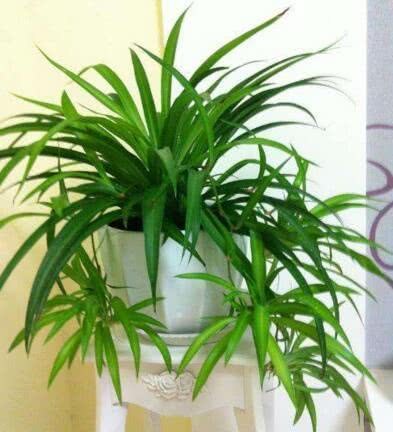
Nowadays people live better, their days are more prosperous, and their demands for quality of life are higher and higher. Keeping flowers at home has become a life trend. For foliage plants like pothos and spider plants, most people will keep 1-2 pots at home. They not only beautify the room but also purify the air, and the key is that they are not difficult to care for. Though not difficult, people still easily run into various problems in care. For example, spider plants are prone to dry tips, and many flower lovers are very anxious about this, because if a spider plant has dry tips, it greatly affects its ornamental value. So what exactly should we do to keep spider plant tips from drying?
Don't worry, this is the topic we are sharing today:
Insert "needles" all over the spider plant pot, leaves emerald green without dry tips, after 40 days wildly "producing" small "spider plants"
So are spider plant pots really stuffed with needles? Actually, these needles are not the embroidery needles we commonly use, but a kind of pine needle. To be honest, this is a great treasure for growing flowers. So how do we use pine needles to grow flowers?
It is actually very simple. When going to the park, flower lovers can pick up a little pine needle litter under the trees in the park. After returning home, first put it in the sun to bake for about 7 days, then cut the pine needles into segments and compost them together with garden soil. It is very simple: find a flower pot, put a layer of soil in it, spray it wet, put a layer of pine needles, best to add some fruit peel, then add another layer of soil, just covering layer by layer. Each time you need to spray water, just keep it moist. The last layer is topped with garden soil, then covered tightly with plastic sheeting and placed in the sun to bake. At the current temperature, fermentation can be completed in 40-60 days. Using such soil mixed with pine needles to grow spider plants is very beneficial to the growth of spider plant fleshy roots, loose and breathable, with high nutrition.
This is mainly because after fermentation, pine needles are a fertilizer mainly containing nitrogen fertilizer, potassium fertilizer and a small amount of phosphorus fertilizer and other nutrient elements, very beneficial for spider plants to root and grow leaves.
When we pot spider plants, we really can put a few iron nails in the pot. First, it helps drainage; second, when the iron nails rust, they release iron elements and some other trace elements, especially beneficial for spider plant growth. Generally, using pine needle soil plus iron nails placed at the bottom of the pot to grow spider plants, the spider plants can grow emerald green leaves, and at the fastest, after more than 40 days of potting, you can see small spider plants growing like crazy, especially delightful. With such care, even without fertilizing, spider plants can grow especially well.
However, if you want spider plants to grow well, nutrition is important, and watering and light are also important. For caring for spider plants, it is generally recommended to place them in the living room or bedroom, not in direct sunlight, just care for them in bright indirect light with ventilation. Watering should follow "dry then wet", and there must be no water accumulation in the pot. If it is hot summer weather, you can often spray water on its leaves, which can both clean the leaves and create a humid environment for it.
Because spider plant roots grow extremely fast, if you want spider plants not to have dry tips and yellow leaves, it is recommended that flower lovers repot spider plants once a year, otherwise its roots will completely "eat up" all the potting soil. If there is less potting soil, nutrients will naturally be less, and even watering cannot be retained. In that case, the spider plant will definitely have dry tips and yellow leaves.