4 natural watering waters that beat watermelon water and fish tank water - water anything and it will grow
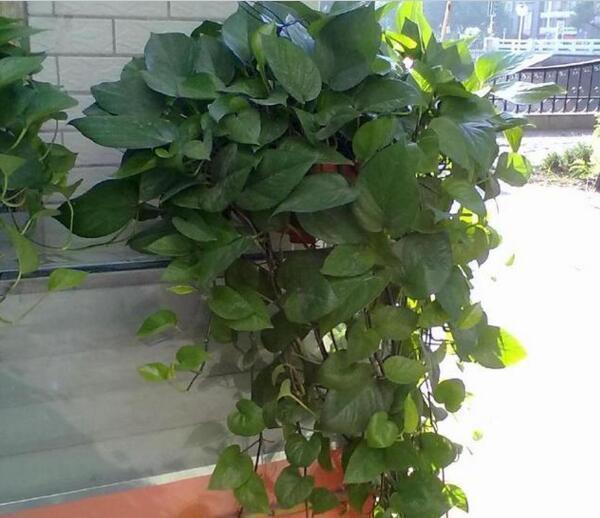
As people's living standards improve, more and more people have fallen in love with growing flowers; it can be said that flower growing has become a nationwide activity. Keeping one or two pots of flowers at home has become a way of life. A few pots of flowers at home can not only beautify the room, but also purify the air, and can also cultivate the mind - it is an activity with a hundred benefits and no harm. But as the number of flower growers increases, more and more little flower-growing tips have appeared online. Things like rice water, soybean water, watermelon rind water and fish tank water have all become miracle waters for watering flowers. But rice water needs to be fermented before use, while watermelon rind water and soybean water not only need fermentation, but also have a troublesome production process and a strong off-odor, making them completely unsuitable for today's busy apartment flower lovers. As for fish tank water, it can also contain some parasites, which easily cause diseases in flowers and plants.
Actually, do you know that growing flowers well is not that troublesome? We can use some simple watering waters. Today I will share 4 natural watering waters - water anything and it will grow. This is also the topic of today's sharing:
Forget watermelon water and fish tank water - none compare to the "4 natural" watering waters; water anything and it will "grow"
The first: air conditioner water
This is the best and most convenient water for flower lovers to find in summer. I believe that in this hot summer, every household will turn on the air conditioner, so collect some air conditioner water. It is a neutral water that has already had various impurities removed, and it is also very simple to use: just leave the collected air conditioner water outside to air and sun for 1-2 days and it is ready to use. It can be said that it can water any flower, and water anything and it will grow.
03:12The second: natural rainwater
It is summer now, and what do we love most in summer?
Of course, what we love most in summer is rain. If you are growing flowers at this time, quickly catch some rainwater. This is natural flower-growing water, a truly wonderful treasure. We must collect more of it. After letting it sit for 2-3 days, it can be used to water flowers. It really can water anything!
The third: muddy water
This water is also very simple to make, convenient and practical, and highly nutritious. When flower lovers go to the park, they can dig up a little leaf mold soil and bring it home, then put it in a basin, fill it with water, stir, let it settle, stir again and let it settle again. After repeating 5-6 times, you can get a basin of nutrient-rich muddy water. This is watering water that has dissolved the various nutrients in the leaf mold soil. Using this water often to water flowers can also make the potting soil loose and airy, helping potted plants grow better!
Of course, if you do not want to dig up leaf mold soil, you can also buy worm castings online, sun them thoroughly, dissolve them in water and use that to water flowers. The effect is even better than leaf mold soil!
The fourth: water from juicing greens and boiling eggs
If you often make cold dressed vegetables, then you can collect the water from juicing greens (without adding salt!) as well as the water from boiling eggs, let them cool and use them to water flowers. These waters are rich in nitrogen fertilizer and phosphorus fertilizer, and are great treasures for growing flowers. Plants like pothos, Christmas cactus, kalanchoe, asparagus fern and snake plant especially love it.
Flower lovers, have you learned it?
These are all fairly common watering waters in daily life, and they are all quite convenient to collect. They do not need fermentation. No matter what flower it is, they can be used to water it, and water anything and it will grow. They can make your potted plants' potting soil looser and more airy, benefit root growth, and have a very good effect on the growth of potted plants.