This farmland pest used to be stepped on the moment it was seen; now it has become a rare delicacy, and it is delicious when deep-fried
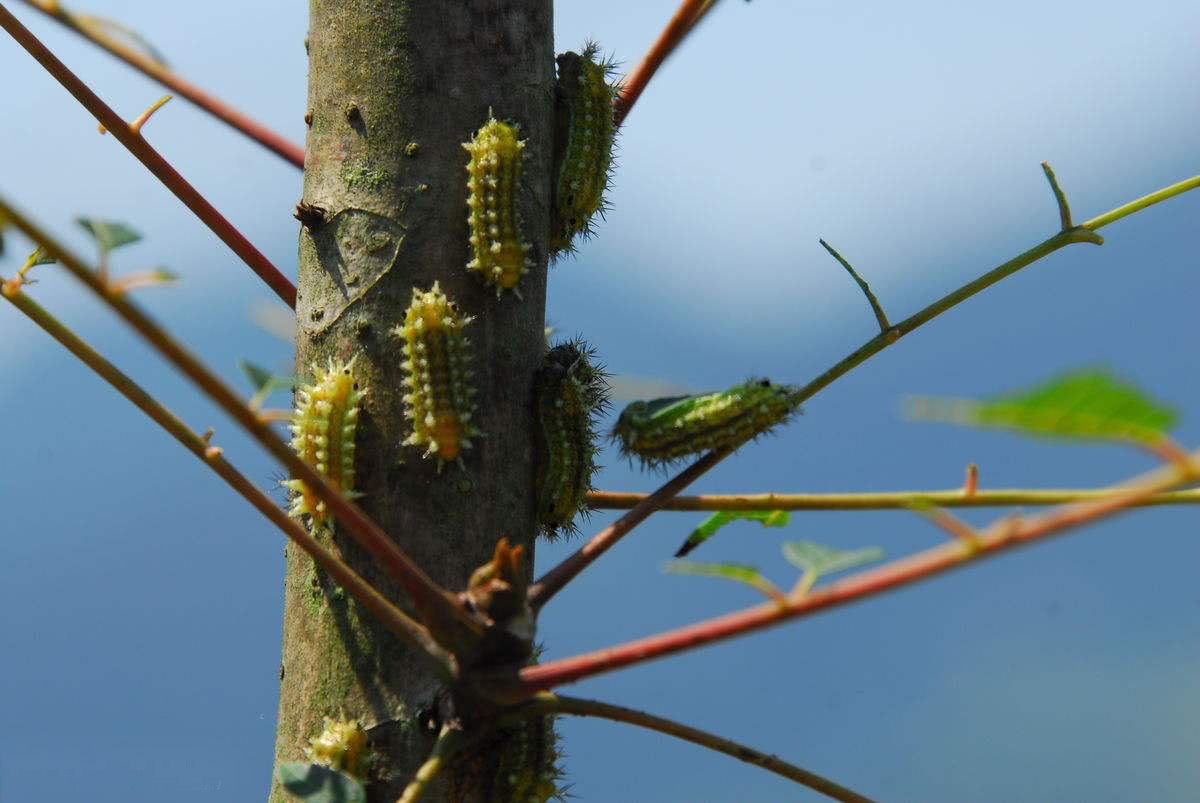
In rural areas, dense vegetation and the natural environment are the habitat of many animals and plants. Some are delightful, such as butterflies fluttering across the countryside and squirrels that occasionally dart through deep woods, but some make people turn pale at the mention of them, such as lurking venomous snakes and fierce black bears. There is also an insect that people do not dare to touch, but surprisingly, it is also a delicacy in many people's stomachs. It can be said to make people both fear and delight in it, and it is found throughout the country, everywhere. What is it?
03:12That's right, it is the "yang la zi" hanging on the trees. Yang la zi is a common name for the brown-edged green stinging slug moth, and the reason it is called this is precisely because it can "sting people."
Once you are stung by it, the venom enters the skin, and your skin will begin to burn painfully, making it unbearable. Its larva is one kind of what we often call a caterpillar, generally green, with a cluster of bristles on its body. This is its armor for protecting itself, and it is toxic. After piercing the skin, it causes redness and itching, and for a very small number of people, it can even cause a shock reaction.
So how do we relieve the pain? There are many methods. For example, pierce the yang la zi and apply the green liquid that flows out to the wound, which can quickly stop the pain. You can also apply soapy water or toothpaste. These are all old methods summarized from experience by farmers who are often in the fields.
The "yang la zi" is also a leaf-eating pest. They like cool places and often form mighty teams to harm flowers, grasses, and trees. It has a broad diet and eats anything, so it is found throughout the country, and its vitality is also relatively tenacious. Moreover, the trend of it spreading is gradually increasing, and it is very difficult to deal with.
Generally in autumn and winter, when farmers find its cocoons, they step on them; during the larval stage, they remove the infested leaves; and for adults, they use lights to trap and kill them. Despite doing a lot of culling work, their numbers are still quite astonishing.
Having said so much, it seems to be good for nothing, but that is actually not the case. In recent years, people have discovered its wonderful qualities as food, and it has become a rare thing. "Yang la zi" is rich in protein. Stir-fry it until cooked and deep-fry it, sprinkle on salt, and when you bite into it, it is crisp, fragrant, and tender, making it hard to stop eating.
Most people cannot bring themselves to take a bite when looking at yang la zi, and cannot get past that mental barrier, but once they taste one bite, they naturally appreciate where its deliciousness lies. As a kind of "novelty food," yang la zi has also become increasingly popular in recent years.
Many farmers specifically catch them to sell. Not only do they eliminate the pest, but they can also eat a high-protein delicacy. It can be said to kill two birds with one stone!