These color-changing flowers are gorgeous - if you love growing plants, get them now
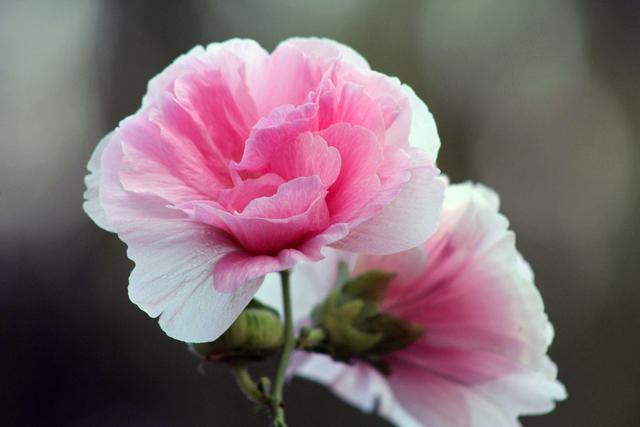
More and more people keep some flowers and plants at home; not only can they enjoy the bright blooms, but they can also cultivate their character, making our leisure time more enjoyable. But did you know? The flowers of some plants change color at different times. Doesn't that seem amazing? Below are several flowers that change color.
Hibiscus
Hibiscus has strong adaptability and is suited to warm, humid environments. It dislikes drought, tolerates waterlogging, and is not cold-hardy, so protection against freezing is needed in winter. It likes plenty of light, but in summer it needs a little shading. It is suited to loose, fertile, well-drained sandy soil.
The leaves of hibiscus are deep green, and it bears rather showy flowers. The flowers are fairly large, and the flower color is white or light red in the morning, turning deep red in the afternoon. Its flowering period is also long, so it is very popular.
Victoria water lily
The Victoria water lily is suited to high-temperature, high-humidity environments and is not cold-hardy; it stops growing when the temperature drops below 20°C. It likes plenty of light and likes to grow in fertile, deep mud, but the water level should not be too high. Before the flowering period, some fertilizer can be applied so that it has enough nutrients to bloom.
The Victoria water lily belongs to the water lily group. Its leaves are round with edges that curl upward. When the flower first opens it is white, and by around the second day it turns deep red. After it turns deep red, its flower begins to gradually wither, but the flower is truly very beautiful.
Hydrangea
Hydrangea is suited to warm, humid environments and dislikes waterlogging, otherwise its roots are prone to rot. It is not cold-hardy, and the wintering temperature must not be lower than 5°C. It does not like direct strong light and tolerates partial shade. It is suited to loose, fertile, well-drained soil.
Hydrangea is one of the most common potted plants in homes. Its flower shape is spherical, and the flower color can be determined by the pH of the soil. If the soil is alkaline, the flowers will be blue; if the soil is acidic, they will be pink. It has high ornamental value.