Clivia leaves drooping and hanging their heads? Remember these 3 details
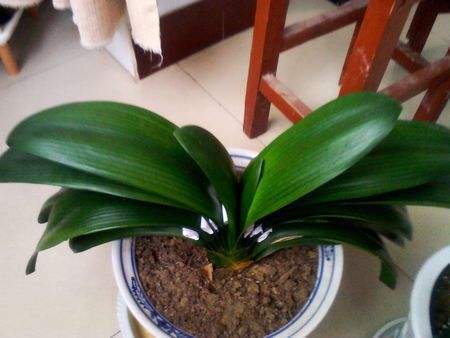
Growing clivia is a very interesting thing. When it blooms, the flowers are bright and elegant; when it does not bloom, it can be grown as a foliage plant, and it also brings some vitality and greenery. What is more, this flowering plant, clivia, has a very long lifespan. With proper care, growing one for thirty or forty years is no problem. A while ago, an old flower-growing friend told me that he had been growing clivia for twenty-six years, and it bloomed every year without fail.
Caring for clivia is also a skilled job. Only by figuring out its growth characteristics can you grow it well. In day-to-day flower growing, small problems often come up, and you have to learn to deal with them. For example, the situation I am sharing with you next: clivia leaves drooping and hanging their heads. See whether yours show a similar phenomenon too?
Clivia leaves are supposed to be very beautiful, wide and green, full of vitality. If the leaves droop and hang their heads, then their ornamental value is gone. Drooping clivia leaves are very common; basically, among every ten flower growers who keep clivia, at least half have run into a similar situation. The causes of drooping leaves can basically be summed up as the following three. If you have overlooked these "3" details, then be sure to remember to correct them!
1. High summer temperatures make clivia prone to water shortage, caused by watering too little
Summer is a season of high temperatures. At this time water evaporates quickly, and the plant's leaves do not store much water to begin with. If you do not water in time, or water too little, it is very easy for the leaf cells to fail to absorb water and to shrivel from the lack of it. Growth also loses its drive; at first the leaves droop and hang down, and later on they turn yellow. So you need to water more. For clivia, it is best to also spray a little water on the leaves every morning and evening.
2. Clivia not repotted for a long time, and compacted potting soil causes the root system to be "smothered"
The root system of clivia is a fleshy root, and it grows rather developed and vigorous. If you do not repot for a long time, the potting soil will become more and more poor; not only are the nutrients gone, but the root system is affected too. Once the roots of clivia are "smothered", they lose even the ability to absorb nutrients, and even their ability to absorb water will decline. Over a long time, this naturally leads to drooping leaves. Be sure to remember to repot clivia once every half year!
3. Fertilising clivia too little, especially lacking nitrogen fertiliser
To grow clivia well, fertiliser absolutely cannot be skimped on. In flower growing it is said that fertiliser counts for three parts and water for seven. This is even truer for clivia. When there is no fertiliser in the potting soil, the root system cannot maintain normal growth, and the leaves cannot absorb any trace elements or nutrients either. For example, once nitrogen, the element that promotes robust plants and evergreen leaves, is lacking, the leaves become weak and hang their heads. Therefore it is suggested to give clivia some dilute cake fertiliser water every month.
Besides clivia being prone to drooping leaves, spider plants can also show this situation, and most of the causes are the three above. So be extra attentive when caring for them in the future. That is all for the sharing on clivia care knowledge. Thank you for reading! Follow Potted Plant Nook, and you can get new flower-growing tips every day!
Remember to like and share~