After a rose blooms, give it one cut, and in 3 weeks the branches will be full of flower buds, blooming continuously all summer long
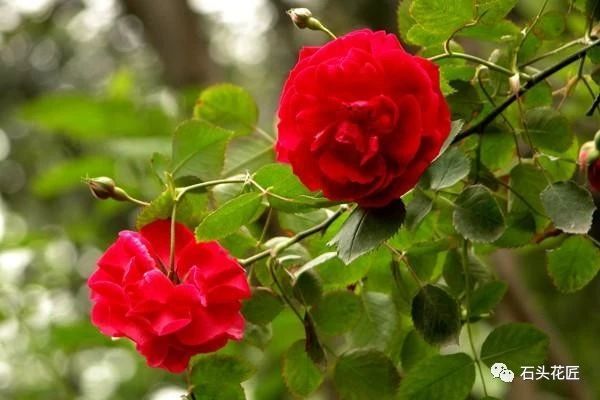
Give roses "1 cut" after blooming, and in 3 weeks the branches will be full of buds, blooming continuously all summer long, so enviable!
Roses are common garden flowers, and of course there are also varieties grown indoors early on. Perhaps you see them more often in green belts and parks, but either way, roses are a very popular flowering plant. Generally, roses begin blooming in early summer and keep blooming until late autumn, but the quality and quantity of the blooms vary greatly.
To grow roses well and make them produce more flowers, pruning is an essential step, and you must prune after every bloom. Only through constant pruning each time will roses produce more flowers. After each batch of flowers fades, give each spent flower 1 snip, and 3 weeks later you will see new flower buds emerging. With this intermittent pruning, roses will bloom all summer long.
When it comes to pruning roses, you need to master certain techniques. The right pruning method will encourage the branches to produce more flower buds; the wrong pruning method will not only fail to encourage flower buds on the branches, but will also cut off flower buds that had already developed well, causing the plant not to bloom. So when pruning roses, the main things to pay attention to are pruning timing and pruning method.
Pruning timing:
Rose pruning timing can be divided into pruning after each bloom and pruning before winter. After each batch of rose flowers fades, you must prune promptly, with the aim of cutting off the spent flowers, reducing nutrient consumption, and promoting the development of side shoots and side flower buds. Pruning before winter is mainly done in late autumn to early winter each year, cutting off all the branches to reduce nutrient consumption, and also to let the plant store nutrients in preparation for sending out new shoots the following year. Of course, in winter in the north, roses grown outdoors must have all branches above ground cut off, and the plant buried under the soil to protect it from freezing.
Pruning method:
After each batch of rose flowers fades, promptly cut off the spent flowers. Cut with scissors above the second node counting down from the flower stalk, but the first bud point left behind must not be a blind bud. If it is a blind bud, prune further down until you see an effective bud point. To explain, a blind bud is a node on a rose leaf axil that will not grow a new shoot.
For a flowering plant like the rose, pruning is certainly important, but nutrients during the growing process must also be replenished in time. Especially after each pruning, you should supplement the plant with fertilizer. For fertilizing, it is recommended to use monopotassium phosphate, applied as a water solution.
If you find this little knowledge about rose pruning useful, please like, follow below, and share it with more friends!
I am Stone Gardener, and I share little tips about gardening and flowers every day