Kalanchoe leaves have spots and you dare not take cuttings? Turns out the reason is this simple
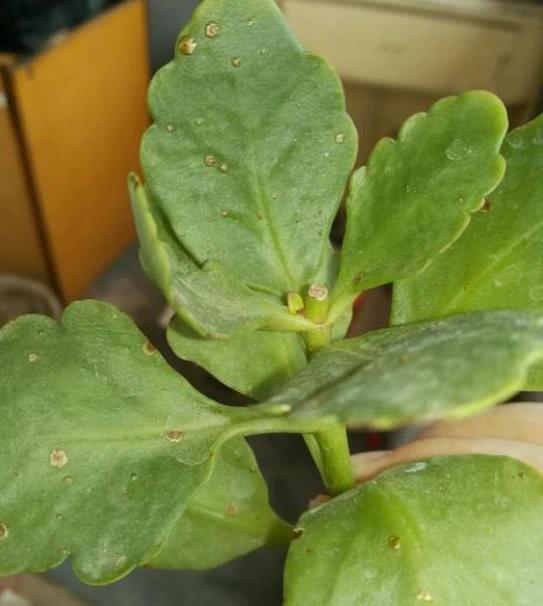
This kalanchoe has spots on its leaves. I was just about to take cuttings, but I was afraid there might be a pest problem, so I did not dare to take cuttings. According to an experienced gardener friend, it is just sunburn, a harmless minor issue. Water droplets have a magnifying-lens effect in the sun.
Kalanchoe is a plant that likes cool conditions and fears heat. During the high temperatures of midsummer, it goes into a dormant state, and it is also a short-day plant, relatively sensitive to photoperiod, so in summer we generally use shading and ventilation to cool it down and help it get through summer safely.
During summer, you can also tidy up the kalanchoe to make its shape more attractive. The trimmed branches and leaves can be used for more cuttings, and by winter you will have another pot of kalanchoe!
To take cuttings of kalanchoe, we first need to choose cuttings that root easily. An ideal cutting should have at least one pair of leaves, which helps with photosynthesis and allows the cutting to root quickly; the very bottom of the cutting's stem should be at least 1cm long so it can be inserted into the medium.
When watering kalanchoe, be sure not to overwater, as it can easily cause waterlogging and death. Many people who grow kalanchoe like to flush it with water, which can easily lead to root rot! So when watering kalanchoe, you should go slowly. You can increase the number of waterings within a day, but the amount of water each time should be very small.
If its branches and leaves all wilt in summer, you should immediately move it to a different environment, to a cool, well-ventilated place, and do not let it be exposed to harsh sun. Just place it in a bright spot.