What Kind of Plant Is the Peace Lily? Get to Know This Distinctive Plant
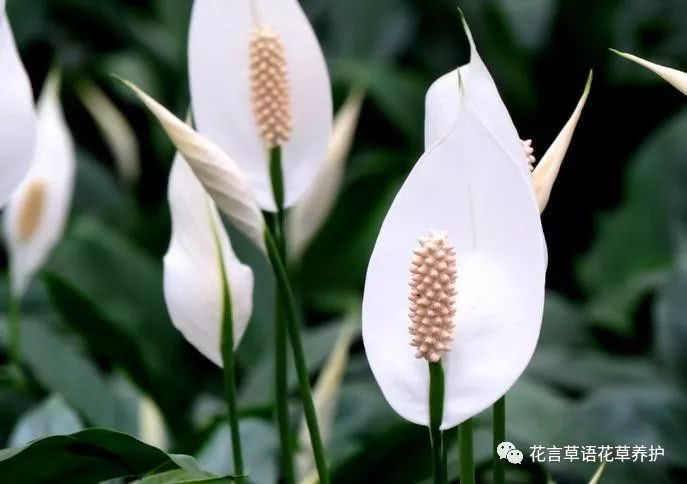
The peace lily is a plant that friends around me all love to grow. At first, I didn't know the name of this plant, and since its shape looked like a sailboat about to set sail, I blurted out "smooth sailing."
In the years since, friends around me have all called this plant "smooth sailing."
This plant can't be called especially beautiful, but its appearance is very distinctive and its meaning is quite good, making it very suitable as a gift for others.
Plant Introduction
The peace lily is a relatively new indoor potted flower. The peace lily (Spathiphyllum) can filter indoor waste gases, and has a certain purifying effect on ammonia, acetone, benzene and formaldehyde.
Growth Habits
It likes high temperatures and high humidity, and is also fairly shade-tolerant. It is quite sensitive to humidity and afraid of strong direct sunlight, but with insufficient light over the long term, it will not easily bloom.
Propagation Methods
Division: Propagation is best done in May-June. Lift the whole plant out of the pot, cut the rhizome apart from the base of the clump, with at least 4 leaves per division, and after replanting place it in semi-shade to recover.
Sowing
After collecting the seeds, they must be sown immediately; if the temperature is too low when they germinate, the seeds easily rot. After disinfection, they are inoculated onto an added culture medium, and after 45 days callus tissue and adventitious buds grow.
Cultivation Techniques
Soil: Generally, leaf mold, peat soil mixed with a small amount of perlite can be used to make the substrate, and a small amount of organic fertilizer is added as a base fertilizer when planting.
Potting: Reinsert the divided plants into the pot, and after planting place them in semi-shade to recover and wait for them to take root.
Light: The peace lily needs fairly good light in winter and early spring, but as the light gradually strengthens it should be shaded gradually.
Temperature: The peace lily is a high-temperature-loving species and should be cultivated in a high-temperature greenhouse. The minimum nighttime temperature in winter should be 14-16°C, and during the day it should be around 25°C.
Watering: During the growth period, the peace lily's potting soil should be kept moist often, but it must not be watered too much; excessive watering will keep the potting soil wet for a long time, easily causing root rot and the plant to turn yellow and wither.
Fertilizing: When fertilizing the peace lily, do not apply concentrated fertilizer or raw fertilizer, and after applying solid fertilizer, water once with clear water; it is best to use dilute fertilizer water instead of clear water for irrigation.
Pest and Disease Control
During its growth period, the peace lily is the most popular with pests, so mite-specific pesticides should be sprayed regularly for control, such as dicofol, hexythiazox, pyridaben, etc.
Main Value
Ornamental value: It can be grown in pots, and can also be planted in clumps or rows on flower terraces, in shaded spots in courtyards, by rock groupings and at the edges of ponds, serving a landscaping role. The peace lily's flower stems are upright and elegant; potted plants placed in the living room or study are very comfortable and distinctive, appearing elegant and handsome.
Air purification: The peace lily can filter indoor waste gases and has a certain effect against ammonia, acetone, benzene and formaldehyde. In particular, its purification rate for ozone is especially high; placed next to the gas stove in the kitchen, it can purify the air and remove cooking odors, oily fumes and volatile substances.