Spider Plant and Clivia: Make This One Mistake and the Leaves Turn Yellow the Next Day, Don't Ignore It
More and more people are growing plants and flowers now. Whether they are flowering plants or foliage plants, almost every home has a few potted plants. Common flowers like spider plants, pothos, money trees, geraniums, and clivias are ones I'm sure everyone has grown too! Growing flowers is an enjoyable thing; it not only adds vitality and energy to the home but also lifts your mood.
But growing flowers is more or less a branch of knowledge, and it is hard to grow plants well without reading up on the subject. Next, I'd like to share some details about the care of spider plants and clivias. Some people find that their spider plants and clivias develop yellow leaves, and to put it plainly, it mainly comes down to getting the following "1 step" wrong. Take a quick look and see if you have made the same mistake!
Watering flowers too frequently, causing "root suffocation"
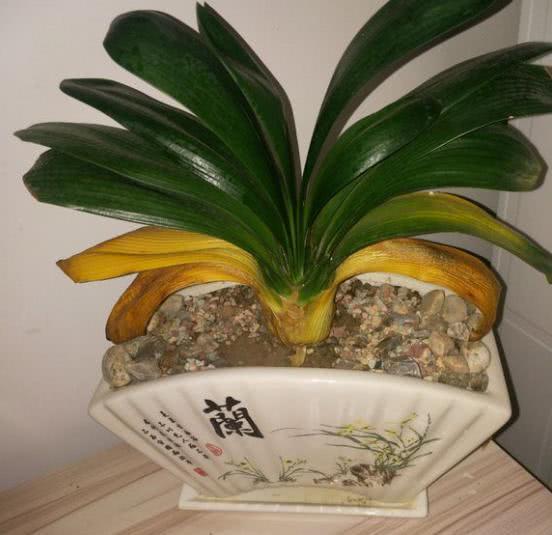
Do many flower lovers find that the leaves of their clivias or other flowers turn yellow like this? Other people's leaves only turn yellow at the tips or in a few spots. But mine turn yellow starting from the base. When this happens, it means the plant's root system has rotted. And the cause of this is mostly overwatering, plus water accumulating and being unable to drain away, which leads to "root suffocation" and rot from lack of oxygen.
Look at the spider plant of the flower lover above; it is the same problem. The leaves all turn yellow starting from the base of the plant. For most plants like lucky bamboo, money trees, and pennywort, as long as the yellowing of the leaves spreads "from the bottom up," it means the roots have rotted.
So how should this be solved?
1. Immediately stop watering, and move the flower to a cool, ventilated place for one day. Then take the plant out of the pot and soil. Repotting and changing the soil in time is the main way to ensure the flower keeps surviving; at this point, there is no time to worry about whether the plant is in its dormant period. Normally, repotting and changing the soil is suitable in spring and autumn. But the flower cannot wait that long, so as soon as this situation appears, you must repot it immediately.
2. First wash the root systems of the spider plant and clivia with clean water, and use scissors to cut off the rotted roots. Then soak their roots in a potassium permanganate solution for 5-10 minutes. The purpose of this is to sterilise and disinfect; potassium permanganate is a strong oxidising agent and a very good plant fungicide. Once the root systems of both have dried, they can be transplanted into the flower pot.
Note that you must not reuse the previous potting soil; it is best to use the special flower soil sold on the market, or simply mix it yourself. For the mix, you can use leaf mould, gravel, garden soil, and pine needles in a 1:0.5:2:1 ratio. If you have prepared well-rotted manure that has been sun-dried, that is best and can be used as a base fertiliser. If not, crushed eggshells will do too.
That is all for the knowledge about the care of spider plants and clivias. Thank you for reading!
Remember to like and share~