You can make lead-free century eggs yourself; no need to worry about lead content when you want to eat them
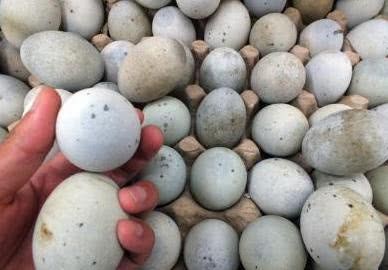
When I think of century eggs, I'm reminded of the "changed eggs" made back in my hometown, which are also a type of century egg. The difference from pine flower eggs is that they are made with chicken eggs, not duck eggs. But they taste great too, and look even more appetizing, like jelly - the egg white is transparent and the yolk is golden yellow.
The benefits of century eggs
Century eggs have the benefits of promoting digestion, clearing heat and detoxifying, making them very suitable for summer consumption. In addition, the protein and lipids in cured century eggs are separated, which makes them easier for the human body to digest, the cholesterol content is reduced, and the iron content is increased. However, everyone knows that pine flower eggs may contain residual heavy metal lead during the production process, and lead is harmful to the human body, especially to children.
Therefore, lead-free century eggs came into being. However, lead-free century eggs do not truly contain no lead at all - the content is just relatively low, meeting the national food requirement for lead content. So it is still better for young children to eat them sparingly. For adults, there will not be much of an impact.
Making century eggs
Lead-free century eggs can actually be made at home too. If it is your first time making them, you can make a smaller batch, and only after practicing a few times can you make delicious century eggs.
If you are a bit lazy, you can directly buy pre-mixed century egg powder online and cure them according to the instructions. Generally, you first mix the prepared century egg powder into a paste, then evenly roll the century eggs in the century egg powder. Then put the century eggs into a plastic bag, tie the opening tightly, and generally in summer when the temperature is relatively high, leaving them for about a week is enough. Once cured, the century eggs can be dried and eaten.
The method above is more suitable for lazy people. There is also a more traditional production method, which I will introduce to everyone here.
Here, take 100 duck eggs as an example. Select 100 fresh duck eggs of similar size and set them aside. Prepare quicklime, salt, soda ash, plant ash, tea leaves, and sawdust. The general ratio is roughly for 100 duck eggs: two liang of salt, one jin and three liang of quicklime (675 grams), half a jin of soda ash, two jin of plant ash, two liang of tea leaves, and an appropriate amount of sawdust.
Wash the prepared duck eggs clean, boil the tea leaves in boiling water, then use the tea water to slake the quicklime. Then add the remaining ingredients. Then put on gloves, place the duck eggs in, and evenly coat them with the lime slurry. Then roll them in a layer of sawdust, take them out, and leave them on the ground to rest for a while. After resting for more than ten minutes, put the duck eggs into a plastic bucket or plastic bag and seal it. Generally, in summer they can be eaten in a week.
The above comes from Science Xingnong; you are welcome to follow.