Is the White Butterfly poisonous? Details to note when growing the White Butterfly
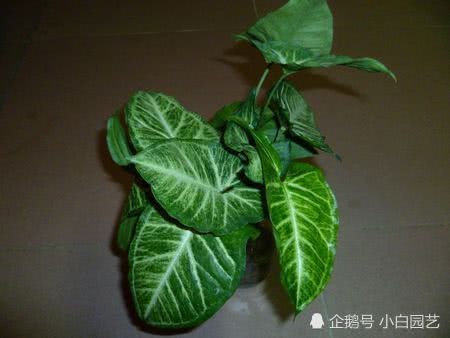
The White Butterfly, also known as arrowhead plant or arrowleaf syngonium, is a plant of the Araceae family. Friends who grow the White Butterfly at home often hear that it is poisonous, and so no longer dare to keep growing it. So is the White Butterfly actually poisonous? Today we will explain whether the White Butterfly is poisonous and how to grow it safely.
Is the White Butterfly poisonous
The White Butterfly is a plant of the Araceae family, and plants of the Araceae family are basically all poisonous, so the White Butterfly is poisonous. But generally speaking it has no effect on people, because its poisonous parts are mainly the sap, the dripping water and the rhizome. In everyday cultivation, as long as you take care to stay away from these sensitive parts, you can grow the White Butterfly with complete peace of mind!
What to do if you accidentally touch the White Butterfly's sap
If during cultivation you accidentally get the sap on your skin, or into your mouth or eyes, you should immediately rinse with plenty of clear water, supplement with some cooling liquids, and drink plenty of boiled water while exercising to sweat and urinate, as simple self-rescue measures. If the effect is not obvious, then you need to seek medical attention promptly to avoid delaying treatment.
Now that we know the White Butterfly is poisonous, what details should we pay attention to in order to grow it safely and with peace of mind? Below we will explain how to safely grow the White Butterfly indoors!
What details to note when growing the White Butterfly indoors
1. Avoid placing White Butterfly potted plants in indoor spots children can reach
Children have low awareness and are always full of curiosity about unfamiliar things, especially in early childhood, when they like to put anything into their mouths. If a child accidentally eats a White Butterfly leaf while playing, it could very likely cause a life-threatening danger. Therefore, even when growing it indoors, you must choose a spot children cannot reach to grow the White Butterfly.
2. During pruning, take care to guard against splashing sap
The White Butterfly grows luxuriantly, and sometimes to keep the potted plant looking attractive you have to prune it. At such times you must put on gloves and a mask before pruning, to prevent sap from splashing or branches from piercing the skin during pruning. After pruning you should also wash your hands as soon as possible and disinfect them.
3. Fallen White Butterfly leaves should be dealt with promptly
The White Butterfly has broad leaves that can raise air humidity and absorb large amounts of formaldehyde and ammonia. Therefore many people choose to grow it in hanging or suspended planters, but during cultivation you will inevitably run into the problem of leaves turning yellow or rotting and dropping. At such times you should promptly clean up the fallen waste leaves, so that sap does not leak out and cause danger.
The above is our introduction to the White Butterfly. The White Butterfly is indeed toxic, but as long as we take care not to come into contact with its sap during cultivation, it is very safe. To learn more about plants, please follow Little White Gardening!