Growing roses: why is it still not enough even with plenty of nitrogen, phosphorus and potassium?
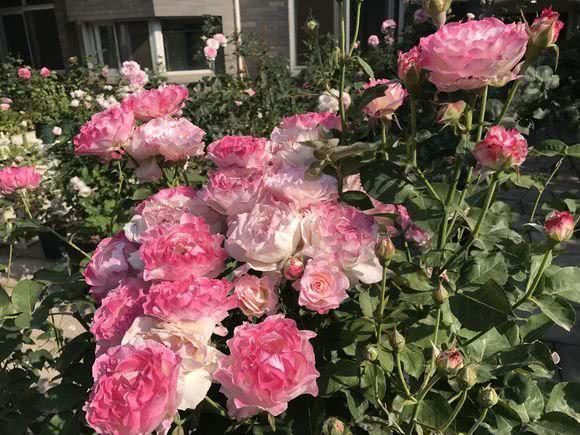
When growing roses, gardening enthusiasts all run into the problem of not knowing how to choose fertilizer. It seems like the fertilizers available on the market are all pretty much the same, rich in nitrogen, phosphorus and potassium, but do roses really only need nitrogen, phosphorus and potassium fertilizers?
What fertilizers do roses actually need during their growing period?
Nitrogen fertilizer
Nitrogen fertilizer can promote plant growth and improve conditions such as stunted plants, slow growth, thin leaves and yellowing leaves. It can also make the plant more robust. If nitrogen fertilizer is lacking, the plant will turn yellow, the stems will be short and thin, and flowering will be delayed.
Phosphorus fertilizer
Phosphorus fertilizer can promote the growth and development of the root system and improve the plant's ability to adapt to the external environment. It is especially beneficial for helping plants tolerate low temperatures through the winter. When phosphorus fertilizer is insufficient, the plant will turn dark green, develop red or purple coloration, and in dry climates it will easily become dark green with yellowing leaves and delayed flowering.
Potassium fertilizer
Potassium fertilizer can improve the plant's resistance, such as to drought, low temperature, salinity and alkalinity, pests and diseases, lodging and so on. If potassium is deficient, the edges of old leaves will turn yellow, and the leaves may even be scorched.
Iron fertilizer
Iron fertilizer greatly improves yellowing leaves, chlorosis, and dull flower colors. However, in summer when temperatures are high, or when the environment changes, the absorption of iron is easily restricted, so it is best to use foliar spraying so the plant can absorb it effectively.
Calcium and magnesium fertilizer
Nitrogen, phosphorus and potassium are macroelements, while calcium, magnesium and iron are secondary elements, and they are also indispensable elements during the rose growing period. If calcium is deficient, leaves easily turn yellow and curl, tender tips become deformed, stems split, fruit cracks, and so on. If calcium is deficient, it will also affect the absorption of magnesium, and if magnesium is deficient, it will also affect the absorption of calcium. Calcium deficiency is also related to light; when light is insufficient, ultraviolet light will be insufficient, which will affect calcium absorption.
In short, when caring for roses, we must be particular about choosing fertilizer and not use just a single nutrient element. Gardeners who are able to should preferably choose organic fertilizer specially made for roses and avoid chemically blended fertilizers. In the short term, the plant may look vigorous, but in the long term, it is likely to cause the plant to become maladapted or have its lifespan shortened.
The image comes from Tianshen in Shenzhen. If there is any issue, please contact the author.