How do you quickly grow lucky bamboo thick and sturdy? An experienced florist shares the secret
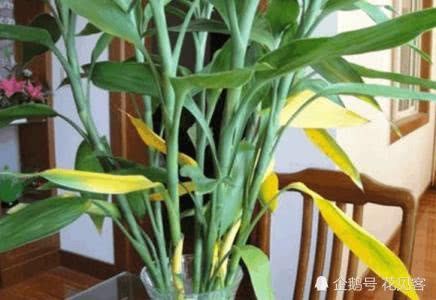
Lucky bamboo is something everyone is surely familiar with. It is an ordinary foliage plant, carrying the meaning of "flowers bloom with wealth and honor, bamboo brings peace", and it is very popular among flower lovers.
Lucky bamboo is mostly grown in water, and lucky bamboo grown in water is mostly slender with low ornamental value. Although the lucky bamboo grown by the experienced florist is also water-grown, his lucky bamboo is very thick and sturdy. His secret is to first grow it in soil, raise it until it is thick and sturdy, and then grow it in water. So the lucky bamboo he grows is not only thick and sturdy, but can also bloom.
Soil nutrients are richer and can let lucky bamboo absorb more, thereby promoting growth. Choose fertile, loose and breathable soil. You can use leaf mold, garden soil and coarse sand mixed in a 3:1:1 ratio to make the growing medium. When potting it, spread a layer of eggshell powder or bone meal at the bottom of the pot to increase soil fertility.
During the care process, fertilizing is quite particular. It likes some organic fertilizers, and the best fertilizer is soybean fertilizer. Its nutrients are moderate and can let lucky bamboo grow quickly, becoming thick and sturdy.
Specific method: take an appropriate amount of soybeans, first rinse and soak them overnight, then put them in a pressure cooker and cook for about 1 hour until they are thoroughly cooked. After cooling, put them into a container together with the water, then add some orange peel to speed up fermentation and remove the odor given off during fermentation, then put it under the sun to bake. Fermentation is complete in about one month.
When using it, take the supernatant liquid, dilute it 20 times, and directly pour it into the soil, watering once every 7 days. As for the soybean residue, you can dig a few holes a little away from the lucky bamboo, and put 4-7 pieces in each hole. In this way, the lucky bamboo can grow madly, with thick branches and green leaves, and once it grows to the ideal state, it can be grown in water.
One thing to note: whether lucky bamboo is grown in soil or in water, the iron element in the medium is insufficient. When watering, you can drip in a few grains of ferrous sulfate, which can both improve water quality and provide sufficient iron ions, avoiding iron-deficiency yellow leaves, and making lucky bamboo more emerald green and glossy.
That is all for the care of lucky bamboo. If flower lovers have other additions, you can share them with everyone in the comment section below. If you want to learn more about flower-growing knowledge, you can follow Huajianke!