Can pig manure be used for citrus? With the right method, you can still get a high yield
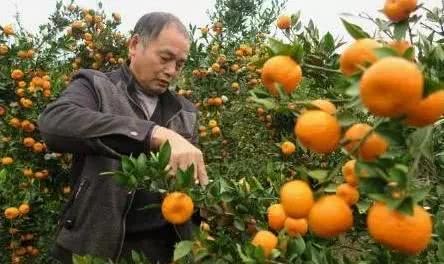
Pig manure is so good that it can absolutely be used on citrus trees; the key is how you use it.
How much do you know about pig manure?
Pig manure also comes in two types. The manure from pigs fed traditional feed such as peanut meal, wheat bran, plus sweet potato vines, sweet potatoes and so on has a relatively low nitrogen, phosphorus and potassium content. In actual practice when used on citrus, it must often be used together with chemical fertilizers to be effective; when used alone, it generally improves the physical and chemical properties of the soil and serves as a soil conditioner.
The second type is the manure from pigs fed compound feed. It still contains a large amount of substances left over from protein decomposition and has a relatively high nitrogen, phosphorus and potassium ratio, so it can be used as fertilizer for citrus.
Do you know how pig manure should be used?
First, pig manure must be composted before application. I believe anyone with a bit of common sense knows this. Uncomposted pig manure contains a large amount of organic matter. If applied directly to the citrus roots, it will ferment under the action of water and air, producing heat, which is extremely harmful to the citrus roots. Therefore, before applying pig manure, it must be composted. On the one hand, this keeps the pig manure from heating up and makes the fertilizer effect obvious; on the other hand, it can also reduce the pathogens, nematodes and so on in the pig manure.
Second, during the composting of pig manure, other substances such as lime must be added with caution. Lime can accelerate the composting of pig manure and can also kill the pathogens inside it, but adding too much lime together with pig manure to the citrus roots will affect the absorption of other nutrient elements by the citrus, and it will also affect the effect of other fertilizers applied, such as ammonium nitrate, ammonium phosphate, urea and so on.
The benefits of reasonably applying pig manure to citrus
If pig manure is applied year after year, compared with applying compound fertilizer or rapeseed cake of equal value, the leaves become thicker, the leaf area increases, the tree grows vigorously and the yield increases.
Do you know how pig manure is applied to citrus?
After reading what many other people say, such as how much pig manure to apply per mu of citrus and so on, it does not feel like they have actually applied it themselves. When I apply pig manure to citrus, I do it per tree.
First, the fertilization time. Use pig manure as fruit-picking fertilizer or fruit-sizing fertilizer. The fruit-picking fertilizer is in September each year, and the fruit-sizing fertilizer is in May and June each year. After applying the fruit-sizing fertilizer, you do not need to use the fruit-picking fertilizer that same year; after applying the fruit-picking fertilizer, you do not need to use the fruit-sizing fertilizer the following year.
Second, the fertilization method. Dig a pit one meter long, half a meter wide and half a meter deep one third of the way out from the citrus canopy, and apply about 35kg of pig manure per pit. If the citrus tree is larger and the yield per tree is above 30kg, you can dig two pits and apply 70kg.
Third, apply it together with other fertilizers. If the amount of pig manure applied is relatively small, or the effect is relatively small, you can fertilize according to the condition of the citrus leaves. It is better to apply the fertilizer after flowering.
Pig manure is a very good fertilizer for citrus. If applied properly, citrus can grow well, resist disease, resist drought and bear more fruit. If applied improperly, it can also cause harm to citrus. Have you learned how to use pig manure?