Longevity vegetable is everywhere along the roadside in summer; snap off a branch and throw it in water and it will live
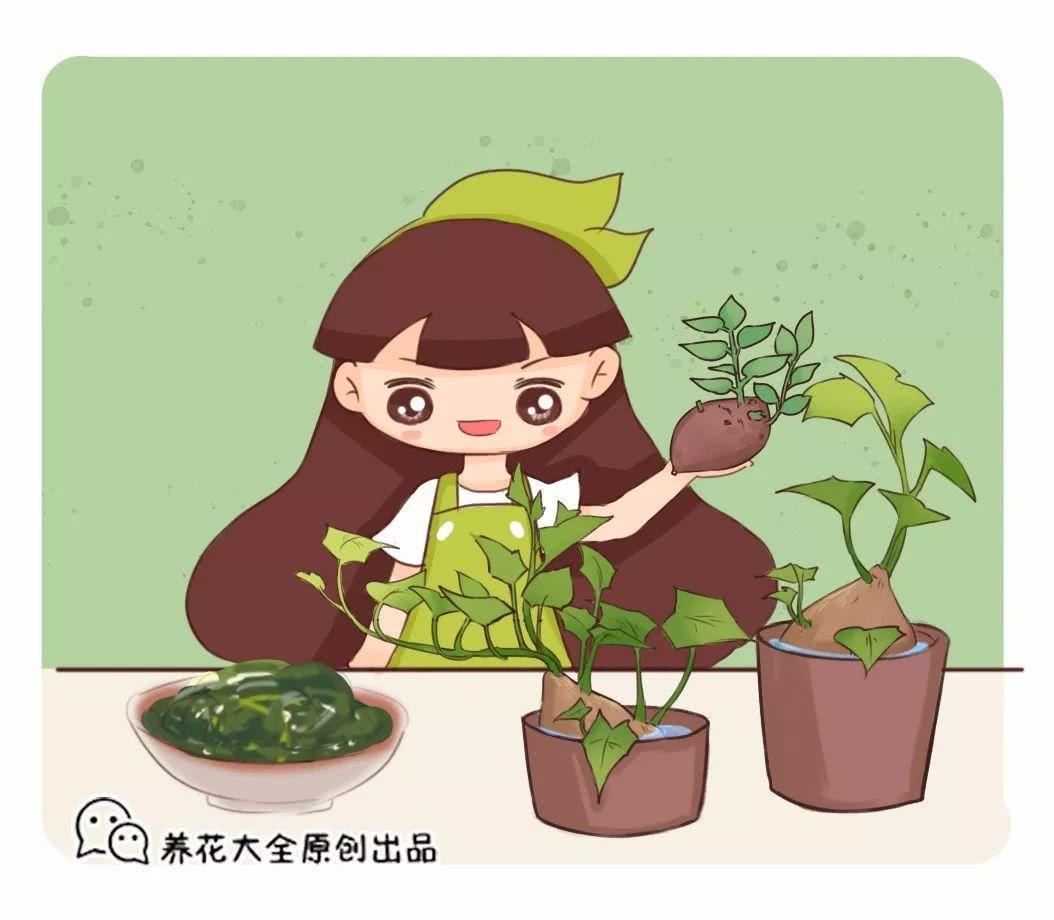
What exactly is the longevity vegetable by the roadside? The answer is - sweet potato leaves. Sweet potato leaves have effects such as boosting immunity, lowering blood sugar, detoxifying and beautifying the skin, and are known as the "longevity vegetable" and "queen of vegetables." While they are available in summer, everyone should eat them quickly! Besides sweet potato leaves, purslane, houttuynia cordata, goji leaves and other nutritious wild vegetables can also be eaten now, and by snapping off a branch, you can even grow them at home!
Sweet potato leaves are a must-eat in summer: detox, beauty, lower blood pressure and blood sugar!
Compared with other vegetables, sweet potato leaves are richer in minerals, vitamins and dietary fiber. Long-term consumption can improve disease resistance, lower blood sugar, delay aging and prevent cancer. If you like eating them, you can also grow them at home yourself. It is very simple!
1. How do you eat sweet potato leaves?
1. Garlic sweet potato leaves
Wash the sweet potato leaves clean, drain the water, then blanch them in boiling water. Then use another pan, pour in oil and minced garlic to saute, finally add the sweet potato leaves and stir-fry a few times, add a small amount of clean water, and just cook the vegetable until soft.
2. Steamed sweet potato leaves with cornmeal
Wash the sweet potato leaves clean, cut them into large sections and put them in a large bowl, first add salt and stir, and after water comes out pour in cornmeal, stir evenly, and finally put them in a steamer and steam for 7-8 minutes. When done, dip them in garlic, vinegar and other seasonings and eat.
2. How do you grow sweet potato leaves at home?
1. Prepare 1 sweet potato, a few glass bottles or plastic bottles, and 1 shallow dish.
2. Pour a small amount of clean water into the shallow dish, place the sweet potato horizontally in the shallow dish, spray water on the sweet potato 1-2 times every day, and in less than 1 week it will root.
3. After rooting, put the sweet potato roots into a glass bottle filled with water. The water level only needs to submerge the root system; do not soak the sweet potato tuber, otherwise it will easily rot.
4. Ensure sufficient light, change the water once every 2-3 days, and the sweet potato leaves will grow like crazy. After they grow long, pick them off to eat, and new shoots will sprout again. Grown indoors, no matter the season, you can eat fresh sweet potato leaves!
Purslane is a must-eat in summer: cools and relieves heat, promotes urination and lowers blood pressure!
Purslane is called a "natural antibiotic." It can assist in treating various inflammations, prevent and treat heart disease, lower blood pressure, lower cholesterol, and also clear heat and detoxify, promote urination and relieve pain. It is especially suitable for eating in summer!
1. How do you eat purslane?
1. Cold-dressed purslane
Wash the purslane clean, blanch it in boiling water until cooked, then drain the water, drizzle with vinegar, salt, MSG, sesame oil and chili oil, and it is ready to eat!
2. Purslane dumplings
Blanch the purslane in hot water until cooked, then chop it finely, mix it together with minced pork, add salt, oil and other seasonings, and you can wrap dumplings and eat them!
2. How do you grow purslane at home?
1. Snap off a few robust purslane branches, cut them with scissors into several small sections, each about 5 cm long, then remove the lower leaves and put them in a cool, ventilated place to let the wounds dry.
2. Insert the dried purslane into the soil in a flowerpot. Be careful to let half of each branch go into the soil, and do not make the branches too dense; leave some gaps.
3. After the branches are inserted, water them thoroughly once, then place them in a cooler place. After three to five days, once new leaves grow, they can get sun. If watering keeps up, in 1 month you can eat them!
4. Each time you pick purslane, snap off the upper tender tips, and more small shoots will grow beside them. Keep snapping and they keep growing, and you can eat until winter with no problem!
5. For gardening friends who find growing in soil dirty and troublesome, you can also hydroponically grow purslane. Just snap off a branch and throw it in water, and it will grow quite luxuriantly too!
In summer, eat goji leaves: brighten the eyes, clear internal heat, tonify the kidneys and nourish the liver!
Goji is a medicinal material widely known to the public, but few people know about the health benefits of goji leaves, especially the tender shoots of goji. They are not only rich in nutrients but also nourishing and qi-boosting, and are a precious food-therapy vegetable.
1. How do you eat goji leaves?
1. Stir-fried eggs with tender goji shoots
Wash the tender goji shoots clean, blanch them in hot water until cooked, then put them together with diced chili into egg liquid, add sugar, salt, starch and pepper, stir evenly, and stir-fry in oil in a pan until cooked and it is ready to eat.
2. Cold-dressed tender goji shoots
Snap off the tender shoots of goji, wash them clean and blanch them briefly in boiling water, then drain the water and put them in a dish. Finally pour on minced garlic, minced ginger, light soy sauce, sesame oil and pepper, stir evenly and it is ready to eat!
,
2. How do you propagate goji by cuttings?
1. Cut off several goji branches, each about 10 cm long. The cut should be a 45-degree slant, and the branches should preferably be semi-lignified young branches, for a high survival rate!
2. Prepare rooting powder and mix it evenly with clean water at a ratio of 1:2000, then apply it to the lower end of the goji cutting branches.
3. Insert the branches dipped in rooting powder into the soil, water thoroughly once, and place them in a place with scattered light for care, keeping to the rule of not watering until dry.
4. After some time, if tender buds grow on the branches, it means they have survived. Once the small seedlings grow a bit larger, they can be transplanted into the ground or a large pot for care!
In summer, eat houttuynia cordata: strengthen the stomach, aid digestion, clear the lungs and remove dampness!
Houttuynia cordata, also called zhe'ergen, is found throughout the southern provinces. It is a very delicious wild vegetable and also a traditional Chinese medicine with a long history. It has effects such as clearing heat and detoxifying, promoting urination and removing dampness, strengthening the stomach and aiding digestion, and is suitable for eating in summer.
1. How do you eat houttuynia cordata?
1. Cold-dressed houttuynia cordata
Wash the houttuynia cordata clean, remove the fibrous roots, cut it into small sections, sprinkle with salt and pickle for 10 minutes, then drizzle with white sugar, light soy sauce, chopped scallions, chopped chili and sesame oil, stir evenly, and it is ready to eat!
2. Stir-fried shredded pork with houttuynia cordata
Wash the houttuynia cordata clean and break it into small sections, then blanch it in boiling water until cooked. Pour oil into a pan and heat it, add pre-marinated pork, and after stirring until it changes color add the houttuynia cordata, add salt and cooking wine, stir-fry a few times, and it is ready to eat once out of the pan!
2. How do you grow houttuynia cordata?
1. Cut off healthy houttuynia cordata branches, each about 12 cm long.
2. Insert the houttuynia cordata branches into a flowerpot, with at least 10 cm between branches.
3. After the branches are inserted, water thoroughly, place in a cool place, and after rooting they can get sun and be cared for normally!
For today's wild vegetables, Huahua will introduce these 4 first,
If gardening friends think they are really great,
then quickly share them with friends around you, and give Huahua some encouragement!
Love you all, I will keep working hard!
?