What should you do when potting soil becomes compacted? One simple trick restores it to loose, nutrient-rich soil
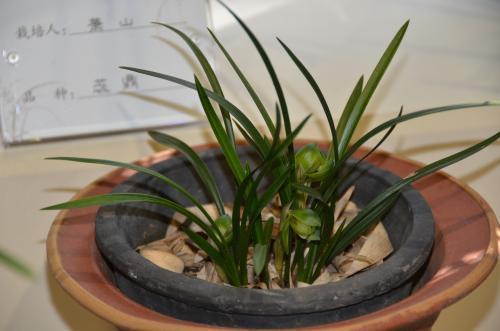
After growing flowers for a long time, you come to realize that potted flowers left without repotting for a long time easily become clumped. When clumping occurs, watering is useless, because the water just slips away through the cracks and does nothing for the plants, and compacted potting soil also affects the growth of the plant's root system.
The occurrence of soil compaction is related to our long-term use of tap water. Tap water contains relatively large amounts of fluorine and chlorine compounds, and long-term accumulation easily causes the soil to clump. A white residue also appears on the soil surface, which makes the soil tend toward alkalinity and prone to clumping.
Another cause is the long-term use of chemical fertilizers. Applying too much fertilizer or fertilizer that is too concentrated easily causes this problem, or if we put some unrotted raw fertilizer directly into the flower pot, it also easily causes potting soil compaction or harms the plants.
Generally speaking, when the soil has just begun to compact and the clumping is not serious, you can use a small trowel to loosen the soil. If the soil compaction is already fairly serious, we can add rotted organic fertilizer: crush the organic fertilizer into powder, sprinkle it onto the surface of the already loosened soil, and then water thoroughly, and this will improve the soil.
In this way the organic fertilizer will slowly seep into the soil, which can improve the soil structure and gradually make the soil loose. Of course, this process is fairly slow, and it is best not to use this method frequently, to avoid making soil fertility too high.
If you do not want to change the soil every year, this method is a fairly convenient, quick and fast-acting one. It is equivalent to replacing the surface soil every year, then appropriately adding compost soil or rotted organic fertilizer. This can both improve the soil structure fairly well and provide the flowers with a certain amount of nutrients.
Moreover, preventing soil compaction becomes fairly important:
1. When you normally use tap water to water flowers, it is best to leave it in the sun for about a day, which can promote the evaporation of chlorine-containing compounds in the water. Fresh tap water contains relatively large amounts of bleaching powder, chlorine gas and other components, and frequent use will make potting soil compact, and in serious cases will lead to salinization of the soil.
2. In the usual process of growing flowers, you need to loosen the soil often. Generally, after watering, the surface of the potting soil easily becomes hard, and at this time you need to loosen the soil promptly. This can maintain the air permeability of the potting soil and improve the absorption capacity of the roots.
Besides what was said above, it is best to replace the flower pot promptly every year or every other year, replace the original potting soil, and put in fresh, fertile potting soil. This is also an effective way to solve soil compaction.