Flowers send signals when they lack nutrients - learn to spot the symptoms early
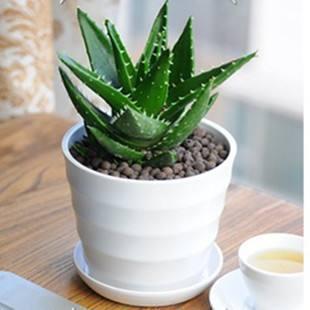
Flower growth depends on adequate nutrition. Sometimes flower growth is not quite as good as it should be, and when things go wrong, many flower growers know they need to fertilize, but they do not know when to fertilize or what fertilizer to use. Let us look at the signs of nutrient deficiency in flowers and what fertilizers are best!
1. Nitrogen deficiency
Nitrogen fertilizer promotes the growth of plant roots, stems and leaves, so flowers lacking nitrogen fertilizer have relatively small leaves with a dull color, and the leaves grow very sparsely and fall off easily. This affects the plant's photosynthesis and further causes poor growth and development.
2. Phosphorus deficiency
If a flower lacks phosphorus fertilizer, the plant grows relatively short and small, the leaves become dull and lusterless, and purple spots easily appear, ultimately leading to drying and falling off.
3. Potassium deficiency
The usual external sign of potassium deficiency in plants is brown spots and some abnormal wrinkles on the leaves, and the leaf edges also develop a scorched, burnt-looking state.
So how should you fertilize?
1. Give foliage plants more nitrogen fertilizer
For foliage plants such as pothos, spider plant, Monstera deliciosa and ivy, nitrogen fertilizer makes the leaves grow very fast and turn lush green, and it promotes the sprouting of new shoots. If you want to make nitrogen fertilizer yourself, beans at home are a common nitrogen fertilizer material, and the method is very simple: just soak the beans for a day, then boil them, and you can dig a hole at the edge of the flower pot and put one or two beans in.
Besides the method above, we can also crush the boiled beans, put them into a clean plastic bottle, and place it in the sun to ferment. Generally two or three weeks is enough, and afterward it can be diluted with water and used to water flowers with very good results.
2. Give flowering plants more phosphorus and potassium fertilizer
Phosphorus fertilizer promotes flower bud differentiation, and phosphorus fertilizer can improve the disease resistance of flowers and make them grow more robustly. The materials for homemade phosphorus fertilizer are mainly fish bones, fish scales, water used to wash fish and fish innards, and so on. The method is also fairly simple: just put them into a large plastic bottle, and in summer they will fully decompose in about two months. You can add a little orange peel to remove the odor produced during decomposition.
3. Potassium fertilizer
What we commonly call rice washing water, yogurt water and plant ash are all excellent potassium fertilizers. We can collect these materials, put them into a bottle, and place it in the sun to bake. At the current temperature, they will generally fully decompose in about two weeks. When the water turns black or gray, dilute it with water and use it to water flowers.