Remember these 3 no-fertilizing rules and 1 extra step when fertilizing flowers: lush branches and leaves, bright blooms, and no root burn
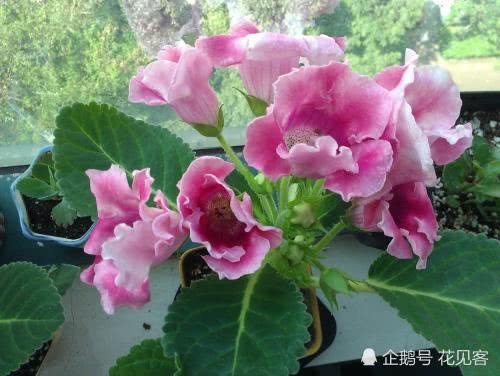
As people's living standards continue to improve, more and more people are joining the ranks of flower growers. It can decorate the home, enrich life, and also cultivate character and calm the mind.
Plant growth cannot do without nutrients. To grow flowers, you must understand them, and fertilizing must be properly controlled, otherwise it will backfire. So when fertilizing, you need to master some small tips and do well with the "3 no-fertilizing rules, plus this 1 step" for lush branches and leaves, bright blooms, and no root burn!
1. Do not fertilize right after repotting
Whether repotting or planting flowers, their roots will more or less be damaged, and they have not yet adapted to the new environment. Fertilizing at this time can easily cause root burn. Basically, you must first let them adapt for a period of time, and after they recover, then apply some dilute fertilizer.
2. Do not fertilize during the dormant period
Many flowers enter a dormant period, such as Christmas cactus and Chinese rose. When the temperature is too high or too low, they enter semi-dormancy or dormancy. At this time, plant growth stalls, activity decreases, and absorption capacity is low. Fertilizing at this time can easily burn the roots, prevent the flowers from smoothly passing through the dormant period, and affect later growth and flowering.
3. Do not fertilize while in bloom
Do not fertilize while flowering, mainly to prolong the flowering period. Fertilizing at this time will cause the flowers to wither prematurely, shorten the viewing time, and is also unfavorable for differentiating new buds after the flowers fade and producing buds and blooming again.
Basically, it is all done when the flowers are about to fade: first prune off the spent flowers and some branches and leaves, then fertilize to promote the differentiation of new buds, making the branches and leaves lush and producing more flowers.
After each fertilization, add this 1 extra step of "de-fertilizing water": fertilize on the same day, and the next day water thoroughly to reduce the damage of fertilizer to the root system, promote better absorption of nutrients by the roots, make the flowers grow more vigorously, and bloom more abundantly and brightly.
That is all for the care involved in fertilizing. If fellow flower growers have other additions, you can share them with everyone in the comment section below. If you want to learn more about flower-growing knowledge, you can follow Huajianke!