How does the rose get through the scorching heat? Drinking these 3 kinds of water is a clever trick
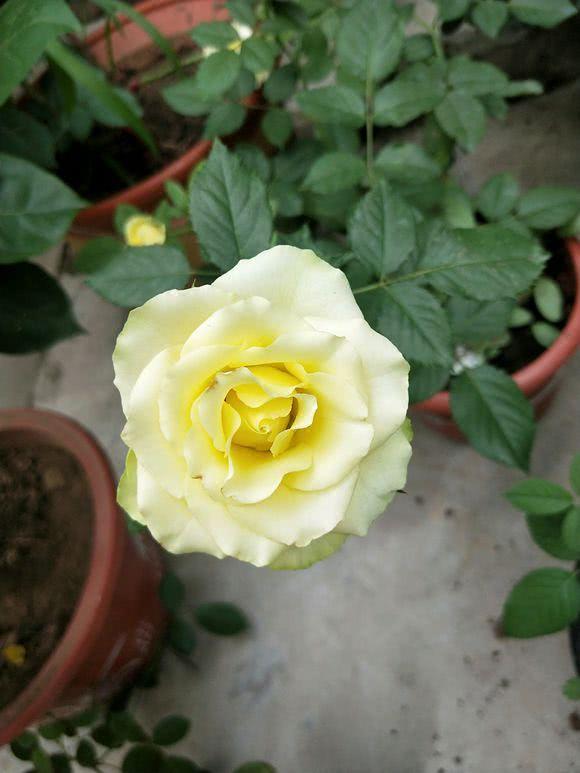
Who says roses have a hard time getting through summer? That is because you did not prepare them well for summer, letting them bake in the sun, and regardless of whether their body is strong or weak, when they catch a cold or a fever, you still do not give them good water and nutrients.
Methods for getting roses through summer
Spring is the vigorous flowering period for roses. After flowering, the hot and rainy season soon arrives. At this time, roses easily enter dormancy or semi-dormancy. At this point, water and fertilizer management should be strengthened to help the roses safely get through summer, so that it is possible to break the semi-dormant state and keep them blooming continuously in the scorching August.
Watering has its particularities. These 3 kinds of water, have you ever watered with them?
Lemon water
Roses like a slightly acidic soil environment. If you always water flowers with tap water, the chlorine and dust in the tap water can very easily cause the potting soil to compact, causing the rose roots to have difficulty breathing, and it becomes somewhat difficult for roses to safely get through summer. When watering, add a few drops of lemon water, which can very well neutralize the alkaline substances in the soil, enabling the roses to grow rapidly, with strong plants, while also stimulating budding and rooting, and breaking the dormant state.
White sugar mixed with water
White sugar is a very good rooting agent. You can take 50 grams of white sugar and dilute it with about 50 times its volume of water. After it dissolves, pour it into the rose soil. Some flower growers say they are afraid of insects and ants, so you can use a small shovel to make a small hole in the rose potting soil, then pour the sugar water into it, and then cover it with soil, and that is fine. The protein in the sugar will slowly ferment into the nitrogen, phosphorus, and potassium components that roses need, which can very well promote plant growth, rooting, and flowering. Because the sugar water is quite dilute after mixing with water, there is no need to worry about burning the seedlings.
Special nutrient water for roses
The growth of roses requires all kinds of nutrients. If you are not very familiar with fertilizers or homemade fertilizers, it is recommended to use an organic nutrient solution rich and balanced in nitrogen, phosphorus, and potassium. It is rich and balanced in nitrogen, phosphorus, and potassium, and has added various organic matter, minerals, and amino acids, meeting the various nutritional components needed for rose growth, promoting rapid rose growth, vigorous flowering, and robust plants.
Besides using these 3 kinds of water well, you also need to note that roses are afraid of heat. If the temperature is too high, you should cool them down appropriately by placing the roses under trees or in other places with dappled light, and keep ventilation. Summer temperatures are high, and spraying water can help lower the temperature and also increase air humidity. It is best to spray water once in the morning and once in the afternoon.
Rose pruning
The summer climate is rather stuffy, so you can prune roses appropriately. Everything below the third leaf under the flower should be cut off, which will allow new branches to sprout and flower buds to form. While pruning, you should also appropriately cut off thin and weak branches, and slightly shorten robust branches. Generally, when pruning branches, do not cut off 1/2 of the branch; cutting off 1/3 is more appropriate. When pruning flowering branches, do not keep too many flowers, otherwise it will affect the size of the blooms.
Pests and diseases of roses
Summer is a season of high temperature and frequent rain, exactly when pests and diseases are more likely to break out, so sterilization and disinfection work needs to be done frequently, and pests and diseases need to be prevented and controlled promptly when discovered.