Never Touch These Forbidden Zones in Bonsai Making
Today we bring you an article on the four taboos for beginners in bonsai making. Flower and bonsai enthusiasts, come and take a look!
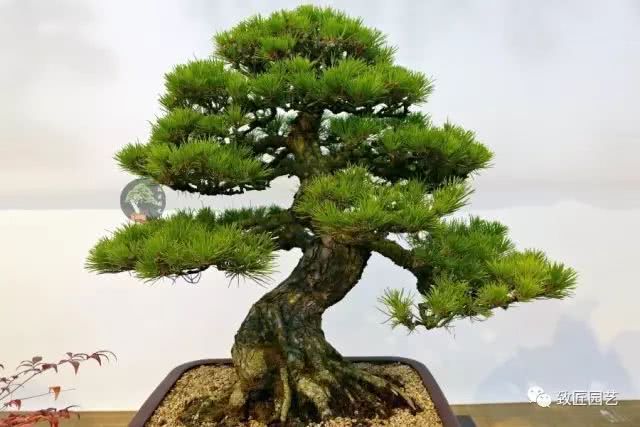
Sturdy and twisting, with branches and leaves layered in spring green, fresh and green to the eye. I was intoxicated by the artistic shape of the tree, simple and vigorous, striving upward, and captivated by the mood of "lively spirit and charm, both form and spirit, blending feeling and scene." From then on there was no stopping, pondering bonsai day and night, almost obsessively. Ten years have passed, and looking back on the path of learning bonsai making, there are indeed many lessons worth summarizing.
The mindset of seeking trunks: never be blindly obsessed. Bonsai lovers always want to own many, many bonsai, to enjoy at any time.
To relieve "hunger" and quench "thirst," but when first learning to make bonsai, because one's appreciation ability is insufficient and artistic level is not high, when digging trunks in the wild one wants every trunk one sees, carrying out "carpet-style" digging, wasting resources and destroying the ecology. When buying trunks at the market, one also does not distinguish good from bad, high from low quality, and buys in large quantities. But the result is that there are few fine pieces of high grade, wasting time, effort and money. Therefore, although the beginner's eagerness for trunks is understandable, one must have guidance from an expert, so as not to be blind and not to get twice the result with half the effort.
The mindset of cultivating trunks: never be casual.
The ancients said: "Success comes from thought, ruin from carelessness," and cultivating trunks is the same. Trunk care requires patience and carefulness, and even more requires understanding plant growth, nutrition knowledge, soil structure knowledge, water and fertilizer application knowledge, and pest and disease control knowledge. During care, first, never handle trunks casually. Each trunk must be carefully pruned at branches and roots according to one's own styling ideas, and only after the wounds are treated can it be planted in soil, otherwise it is not conducive to the trunk's survival, and even less to future styling; second, never casually prepare soil. Soil is an important factor in whether a trunk lives and grows well. Once the soil is well prepared, the trunk is already one third alive. You must understand each plant's growth habits, prepare the soil in proportion, and provide the trunk with a good medium that is well aerated and easy for absorbing nutrients; third, never apply water and fertilizer casually. Plant growth cannot do without fertilizer and water, but one should apply thin fertilizer frequently and water at the right time and in the right amount. If you hastily apply large amounts of water and fertilizer, the trunk cannot absorb them, and its survival will be in danger; fourth, never deal with pests and diseases casually. Many pests and diseases can endanger a plant's life within a few days, so they must not be treated lightly or with indifference. You must discover them in time and control them in time, otherwise the trunk will wither and die from pests and diseases, and you will also regret it deeply because of the trunk's death; fifth, never handle trunks casually. When a trunk is planted in the ground or in a large pot, you must wait until its root system is well developed and it has completely survived before repotting it into a pot in a suitable season and weather. Never bury it in the ground at ordinary times and then, in a moment of eagerness, pot it up for display, moving it back and forth, turning a living trunk into a dead one.
The mindset of styling: never be hasty.
Personally making a work with a unique style is undoubtedly the most exciting and passion-inspiring thing, but never be hasty. First, never style hastily when care has not been adequate. A trunk's branches must grow to a certain robust degree and gradually form transition branches with the trunk before they can be pruned and styled. By no means judge only by length and not by sturdiness. When the branches reach a certain length, do not bind and hang them in a "twisted dough twist" style. On the surface it may look like a certain shape, but on closer inspection the "heat is insufficient," especially for deciduous plants, whose defects become obvious when viewed in winter; second, never style casually when your considerations are not mature. A trunk must be pondered and weighed repeatedly before the styling plan can be determined. Beginners, with only half-understood styling techniques and eager hands, rush into action blindly, and later constantly make drastic corrections, causing a trunk to be moved and placed around, delaying the time and opportunity for taking shape. Therefore, it is suggested that beginners, when styling, should first put forward their own views, then seek guidance from an expert. This can both avoid detours and greatly help improve one's own artistic accomplishment.
The pursuit of artistic mood: never imitate.
Bonsai styling is both an expression of art and even more an expression of the maker's profound artistic mood. When beginners in bonsai making pursue artistic mood, imitation can indeed quickly improve one's artistic quality and creative level, but if one always creates works through imitation, then one's level will never improve and one's artistic realm will never be elevated. Therefore, in making bonsai, borrowing "stones from other mountains" is certainly important, but more important is that one seriously study botany, actively delve into aesthetics, strive to explore literature, and also combine these with the five-thousand-year cultural tradition of our Chinese nation, carry out systematic processing, increase one's own overall quality, constantly improve artistic cultivation, and constantly pursue a deeper artistic mood and taste.
Wonderful content