What to do when snake plant leaves are limp and weak? Add some "hard fertilizer" and they will stand up in 10 days
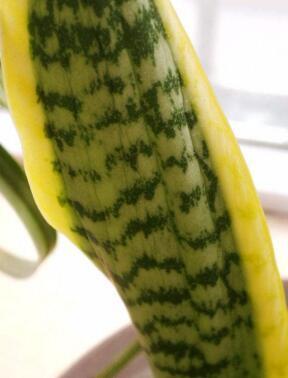
The snake plant is a potted plant with elegant leaves. Its leaves are slender and beautifully patterned, and under normal circumstances its leaves stand upright and strong, giving a sense of vitality, and it can also purify the air, so it is deeply loved by many flower lovers all over the country. No matter what style your home decor is, you can place a pot of it without any feeling of incongruity. The snake plant is generally very easy to keep alive, but some flower lovers have commented that their snake plants always have soft leaves, as if they have no strength like a person, unable to hold their heads up, and in the pot they have no shape, leaning this way and that.
And the leaves turn yellow, with no vitality, and in severe cases they may even slowly wither
When flower lovers leave comments, watching their snake plants slowly turn like this, they feel very anxious and do not know what caused it. Seeing the comments from flower lovers, so today Xiaohua shares the reasons for snake plant leaves becoming soft, and the solutions, so today's sharing theme is:
Snake plant leaves "limp and weak"? Add some "hard fertilizer", and in 10 days make "it" stand up!
Hope it helps you!
Under normal circumstances, the causes of this situation are the following three:
1. Too much or too little watering
2. Too much light
3. Too concentrated fertilizer, causing root burn
4. Not repotting or fertilizing for a long time, causing the snake plant to have no strength to grow
However, it is understood that most flower lovers' snake plants are caused by reasons 1 and 4. A friend Xiaohua knows is like this. After she buys flowers and brings them home, she never fertilizes them or repots them. When she remembers, she waters them a little, and there may be many days when she does not pay attention to them at all, completely letting the flowers fend for themselves. But there really are many flower lovers like this in life. Some are busy with work, and some just do not remember...
So today we mainly talk about what to do if the snake plant's leaves are limp due to long-term failure to repot, malnutrition, or overwatering?
In the theme we said to add a little of it, so what exactly is it?
If your snake plant's leaves are limp due to long-term failure to repot and fertilize, the best and most effective method is to add sufficient base fertilizer when repotting. After it settles into the pot, you can water it with some urea water.
When repotting, we need to prune away its bad roots, old roots and some excess roots, and remove the old soil, replacing it with new leaf mold soil and coarse sand soil. In order for the snake plant to grow quickly and have sufficient nutrients, we can first place broken tile pieces at the bottom of the pot, and after adding a layer of nutrient soil, place 2 eggs on top. You need to crack the eggshells a little, place them upright in the pot with the heads facing up, then cover with soil, and plant the snake plant normally. At this time, as long as the potting soil is moist, do not water it yet.
Place the snake plant in a cool, ventilated place for about a week before watering. You need to water along the edge of the pot, and do not water too much at this time. After about 20 days, when the snake plant has settled into the pot, you can care for it normally. After 30 days, you can add 2-3 granules of urea when watering (do not use too much). It is recommended to use it 2-3 times a month.
A snake plant cared for in this way will not show signs of nutrient deficiency.
In order to make the snake plant grow better, we also need to pay attention to its light and watering
Under normal circumstances, just place the snake plant in a place with diffused light and good ventilation for care. In summer, it must not be exposed to the sun. And when the temperature is too high, you can spray water on it and wipe the leaves, which can both clean the leaves and allow the leaves to breathe smoothly.
Watering must follow the principle of watering when dry and stopping when wet. Even in summer, do not water every day. Under normal circumstances, water about once every 10 days. In summer, you can water a little more appropriately, but there must never be standing water in the pot.
That is all for today's sharing