What causes the leaves of the Malabar chestnut (Pachira aquatica) to turn yellow, droop and dry up?
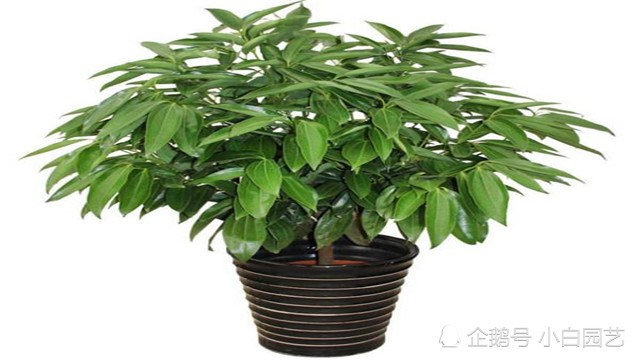
We often see the leaves of the Malabar chestnut drying up, but a large tree sitting there looking unhealthy will also affect the owner's mood. Today we are going to take a look at why the leaves of the Malabar chestnut turn yellow, droop and dry up.
Causes of dry leaves and solutions
I. Light
1. Cause
The Malabar chestnut is a plant that likes light but is also very tolerant of shade. Seen this way, the Malabar chestnut is still fairly easy to grow, but you also need to note that in summer the Malabar chestnut must not be exposed to direct sunlight. After all, even people cannot be directly exposed to the scorching sun in midsummer, let alone a tree! Because the ultraviolet rays in sunlight are too strong, they also cause the most direct damage to the outer skin, and over time the leaves easily dry up and even the roots may rot.
2. Solution
Since it has already been said above that it cannot be directly exposed to the strong sunlight of summer, then we should place the Malabar chestnut in a ventilated or shady spot. And in winter, because the sunlight hours are relatively few, on the occasional sunny day you should also move the Malabar chestnut to a warmer place such as a balcony for care. After the strong light of summer, we must promptly move it indoors and water it, and afterwards ventilate it regularly to prevent yellow leaves from appearing again.
II. Temperature
1. Cause
With careful care in spring and autumn, the Malabar chestnut is very rarely damaged, but in summer and winter you need to pay attention. Summer tends to be dry, and in winter the roots easily freeze, which is also very unfavorable to growth.
2. Solution
In summer, the Malabar chestnut should be placed in a shady spot; if the temperature is too high, it is better to place it indoors in a place with air circulation to cool it down, and its temperature is usually kept at around 25°C.
III. Fertilizing
1. Cause
Whether too much fertilizer or too little fertilizer is applied, it can cause the leaves of the Malabar chestnut to dry up.
2. Solution
Usually, according to scientific research, it is recommended to fertilize once a month. If too much fertilizer has been applied, we need to renew the soil. But if too little fertilizer has been applied, we can turn over the soil again and add some new fertilizer into it.
But even if none of the above causes apply, as long as you find that the roots have rotted or the leaves have dried up, we should promptly cut off the rotted part, otherwise it will infect the healthy parts.