This invasive fruit from the Americas is eaten unripe, never ripe, and is commonly known as the giant mango; few people have ever tasted it
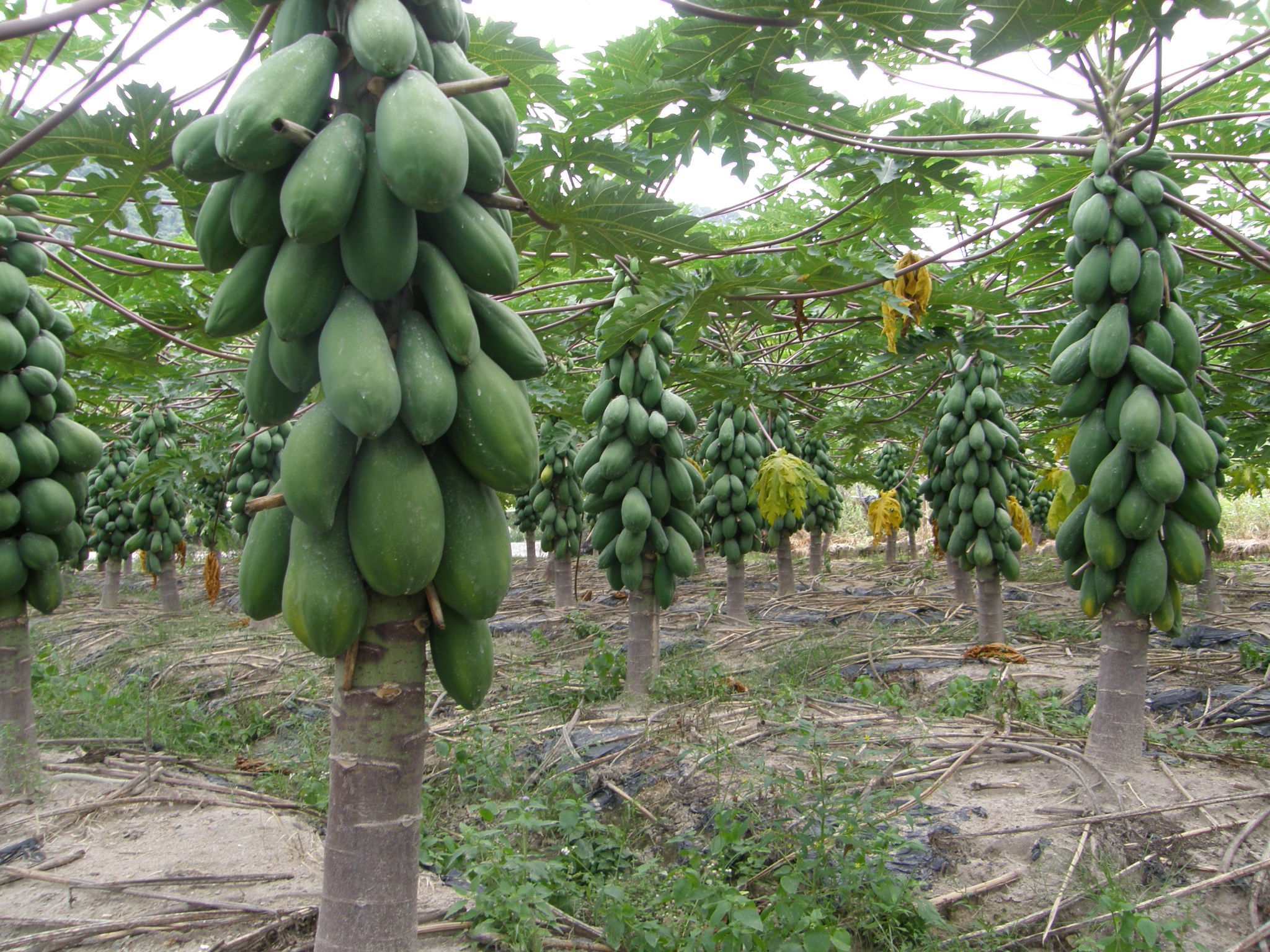
As everyone knows, fruit is rich in vitamins. Eating more fruit not only beautifies the skin but also replenishes the elements our bodies lack and maintains our health. For a long time, people have argued endlessly over the "queen of fruits." Some say it is mangosteen, others say kiwifruit; after all, many fruits have quite high nutritional value and are hard to rank, and one that is often nominated among them is the "giant mango."
What is the "giant mango"? In fact, it is papaya. When we talk about papaya, we immediately think of the Chinese quince, differing by just one character, yet the two have many differences. The Chinese quince belongs to the Rosaceae family, while papaya belongs to the Caricaceae family. It originated in the Americas and is one of the common tropical fruits.
Compared with ordinary Chinese quince, papaya is richer in nutritional value and enjoys the fine name "fruit of longevity." So how do we distinguish the two? The simplest way is to look at their trunks: papaya has only a trunk, and its stem has no branches. Their seeds also differ. Cut the fruit open: papaya seeds cluster together in a mass, while Chinese quince seeds spread out like those of an apple.
The papaya fruit is generally yellow or orange-yellow, elongated and spherical, with rather smooth skin, a fragrant and rich flesh, and juice that is sweet and delicious. It is rich in various nutrients, and less than half of one can provide enough vitamin to meet our daily needs. The reason papaya can be nominated as the "queen of fruits" is naturally its remarkable benefits.
Generally speaking, fruit is only tasty when fully ripe, but papaya is tasty when raw. Fruit farmers pick it while it is still unripe and pickle it to eat. In fact, it can be taken internally or applied externally; it is not only a fruit for consumption but also has rich medicinal value.
According to data, the papain contained in papaya has anti-tumor effects and also inhibits certain bacteria and parasites; the abundant protease it contains helps digest protein and relieves stomach problems such as indigestion.
In the ancient history of traditional Chinese medicine in our country, it also frequently appears.
In addition, some people use it in the making of cosmetics, such as vanishing cream, for its beautifying effect. Interestingly, if papaya juice is added when boiling beef, the beef becomes tender more easily, and the texture is fresher and more tender, light and easy to eat.
In our country, papaya is mainly distributed in the Lingnan and Taiwan, China areas. In the past, few people had eaten it, but with the development of the internet, fruit sales have also become linked to the internet. Papaya is processed into juice, candied fruit, and candy, and sold online by fruit merchants, so people from north to south can all taste this nutritious and delicious "giant mango," which cannot help but make one marvel at the power of the internet.
With such rich nutritional value, papaya really makes one want to dig in. Friends, have you ever eaten papaya? You are welcome to leave a comment and share your views!