Soak the roots of your clivia in it for 10 minutes, and they will not rot all year and will bloom fast
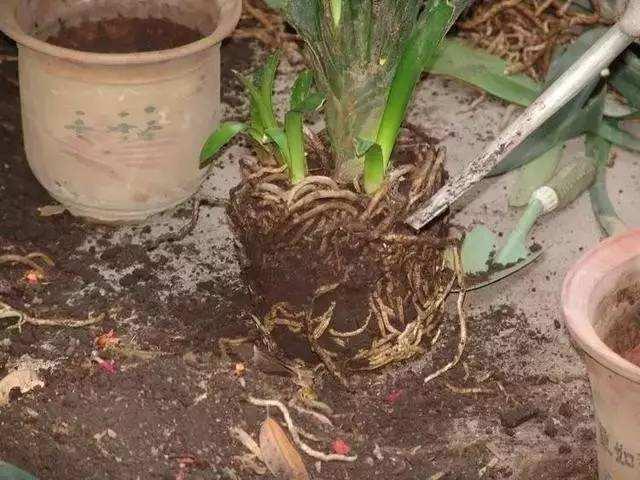
Clivia is a flowering plant often kept at home. Its blooms are vivid and impressive, and with good care it can flower twice, or even three times, a year. Overall, clivia is fairly easy to grow, but only on the premise that you master a few small care tips.
Many flower lovers know the saying "to grow flowers, first grow the roots." Plants like clivia have especially well-developed root systems, so their care deserves even more attention. There is a lot of knowledge involved in growing roots, so next we will briefly share some small tips on caring for clivia roots.
Clivia must be repotted once every six months, otherwise its roots will rot.
When repotting, soak the clivia roots in "it" for 10 minutes to ensure they will not rot for the whole year, and the yellow leaves will naturally disappear too. "It" is potassium permanganate solution. Potassium permanganate is a strong oxidising agent with a very strong sterilising and disinfecting effect. When repotting clivia, after cleaning the roots, soak them in it to help the roots grow more healthily.
The light purple liquid in the picture above is potassium permanganate. Besides sterilising and disinfecting the clivia roots, you should also check whether the roots have any rot. If there are rotten roots, be sure to cut them off with scissors. Apply a little carbendazim to the root wounds. Then transplant into fresh nutrient soil.
As for the nutrient soil for clivia, it must be loose, fertile soil rich in humus. It is recommended that flower lovers mix it themselves. The specific process is also very simple. Prepare leaf mould, pine needles, garden soil and a small amount of gravel, and mix them in a 2:1:1:0.5 ratio.
Finally, a few details about the daily care of clivia. Flower growing follows the rule of "three parts fertiliser, seven parts water," and for clivia, fertilising and watering are equally important. In the early stage before clivia blooms, be sure to apply more nitrogen fertiliser. Sufficient nitrogen helps the branches and leaves grow quickly and also helps the flower stalk emerge. For nitrogen fertiliser, you can use inorganic fertiliser, or organic nitrogen fertilisers such as fermented soybeans and soybean residue.
It is recommended to fertilise once every month, mainly with a thin liquid feed. Two days before fertilising, remember to stop watering. And on the second day after fertilising, water thoroughly once.
As for watering, for daily care of clivia it is recommended to use fermented rice water, which both replenishes moisture and benefits the growth of clivia. After fermentation, rice water can adjust the potting soil of clivia to slightly acidic, which is exactly what helps it grow quickly. The fermentation process of rice water is not difficult either. Take rice water and put it in a sealed mineral water bottle, do not screw the lid on too tightly, and leave it in the sun for two weeks to finish fermenting.
In addition, many flower lovers worry that their clivia will "trap the stalk." This can be avoided. Using beer from daily life, diluted 50 times, you can water the clivia and wipe the clivia leaves with it, which can prevent the stalk-trapping phenomenon from occurring.
If the stalk is already trapped, do not worry either. Cover the top of the stalk with a black plastic bag, and it will emerge in two or three days. Or you can place it in a lightless place for dark treatment, which can also make the stalk emerge.
That is all for the clivia care knowledge shared here. Thank you for reading!
Remember to like and share~