Watering potted plants is very important, and once you truly understand the eight-character formula, it is not difficult
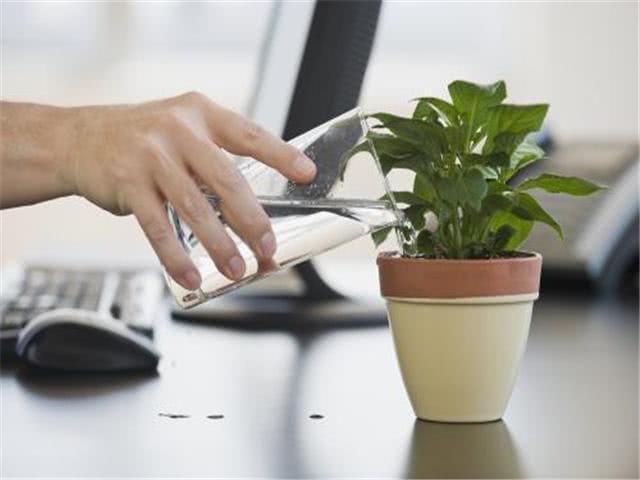 Summary: When keeping potted plants at home, you must be familiar with their habits, just as northerners love heavily flavored dishes and southerners love light, sweet food. Different habits mean different care methods, so if you have potted plants at home, you need to understand their habits. Only then can you grow them well and avoid other unusual problems. Next, I will teach you some simple and practical methods
Watering potted plants is very important. As long as you truly understand the eight-character formula, watering is not difficult
For potted plants, watering is always needed, so is there any standard for watering? Simply put, you need to follow one logic, which can be described with an eight-character formula (see dry, see wet; dry through, water through). I think you can see its meaning from the literal words. As long as you understand it and use the right method, even if the potted plants you grow are not growing especially well, they will not simply show yellow leaves and withering. So although watering is simple, it still requires a certain method.
The explanation of the eight-character formula is that "see dry" means the soil in the pot is dry at about two fingers deep in the upper layer, but still moist below. This is the phenomenon of water shortage in the potted plant. Although you cannot tell from the surface of the pot that it lacks water, it is actually already short of water. At this time, we need to replenish water for the potted plant. Otherwise, if you wait until the potted plant shows signs of water shortage, it will already be too late to replenish water. If you water again at that point, it is very likely that the potted plant will already have died before sufficient water is supplied. So "see dry" must be understood this way. Do not misunderstand it as the surface being dry!
Some flower growers will ask how to water. Someone will surely answer, water until water flows out of the bottom of the pot. What you said is actually not very accurate. If you have a very good understanding and control of the moisture level of the potted plant's soil, then watering until water flows out of the bottom is correct. But if the entire pot of soil is about to dry out completely, even if water flows out of the bottom of the pot, it does not necessarily mean it has been watered through. What is meant here is that the potted plant's soil has sufficient water-holding capacity, which counts as watering through! If the potted plant is in a condition where it is about to dry out completely, you can wrap the pot in a plastic bag and water it, letting the soil continue soaking in water for about ten minutes, then remove the plastic bag, leave it for about 20 minutes, and water a second time by watering at the bottom of the pot. Only then does it count as watered through!
But at this time, note that when watering the second time, it is recommended to add carbendazim and vitamin B12 to the water. Vitamin B12 can promote rapid growth of the root cells of the potted plant and can also increase the plant's disease resistance. At the same time, combined with carbendazim to sterilize the potted plant's soil, it ensures that the potted plant does not develop disease after drying and then suddenly receiving sufficient water, and ensures that it grows more vigorously
Conclusion: If you have learned the above methods, you can try them on your potted plants at home. When watering potted plants, add carbendazim and vitamin B12. You can add them once each time you water, but do not do it too frequently; once a month is enough. If you have any questions about growing flowers, you can send a private message to the editor!